
No. 141 - Titus Andronicus’s “A Pot in Which to Piss” Changed My Life
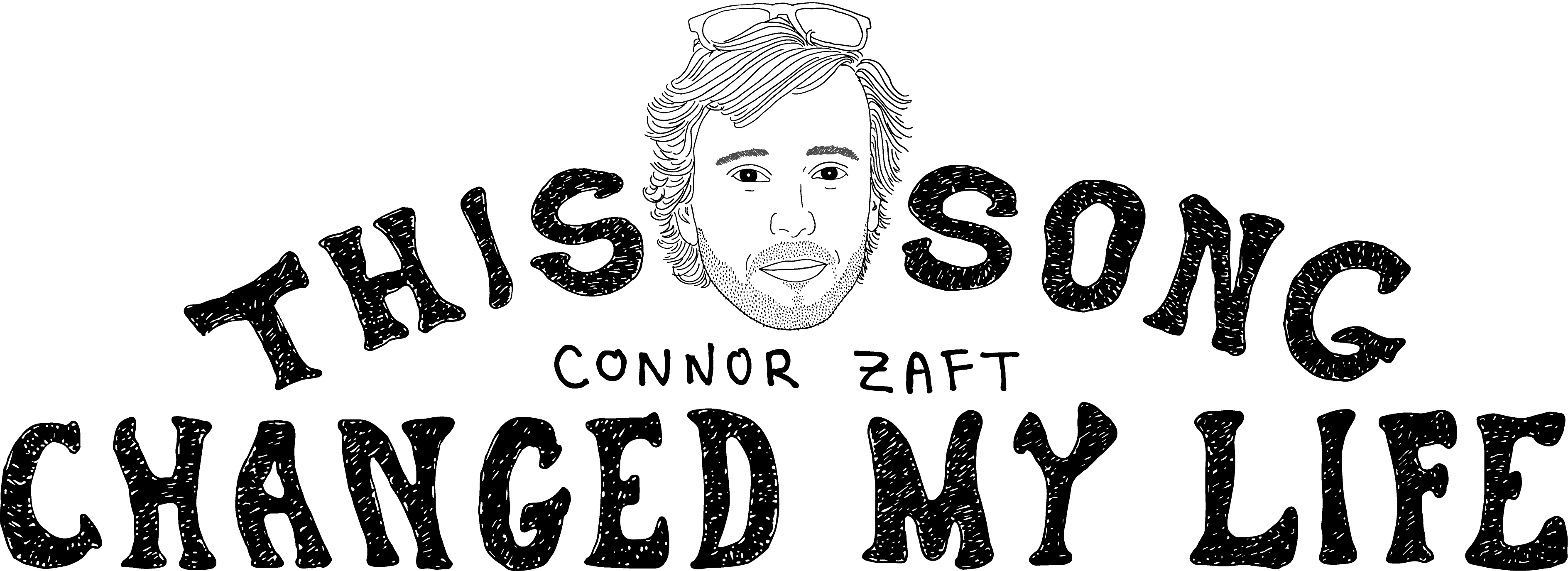
Connor Zaft missed the point, at first

This Song Changed My Life is an independent music publication featuring weekly essays from people all around the world about the songs that mean the most to them. Created (and illustrated) by Grace Lilly.
Join 1,000+ music lovers to get a new essay in your inbox every Friday 😊
• 4 min read •
Upon my weary heart was showered smiles, plaudits, and flowers. But beyond them, I saw thorns and troubles innumerable.
I’ve come to believe that a work of art finds you when you need it to. Or perhaps, when it needs you. If you’re exceedingly lucky, it stays with you, even returning again. It builds an enduring relevance that only in hindsight feels like foreshadowing. And as in all tragedies, the message is heard too late.
Autumn of 2010. A lonely, booze-soaked, miserable season spent on the rock-ridden beach of the Puget Sound. There, the rain never really stops, so we thought it best to be wet inside and out: another Evan Williams, another Olde English. Sick with problems all of my own making, at my own insistence, while the rain poured, equally persistent and indifferent.
And the sound of drone, of tape loops, of guitar feedback. Cavernous and opaque. And then a distant voice, fragile as glass on the stone shore.
Nothing means anything, anymore.
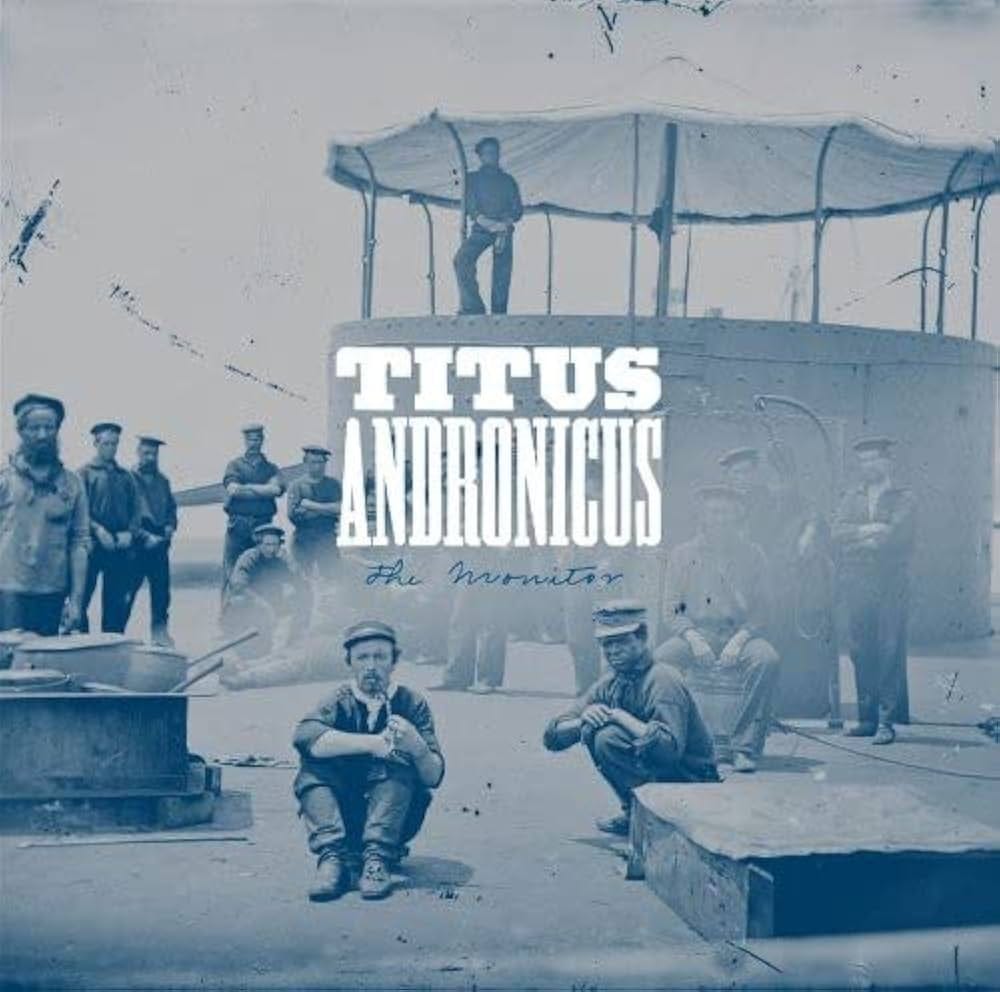
That year Titus Andronicus released their sophomore masterpiece: The Monitor, a staggering opus utilizing the imagery and literary thematics of the U.S. Civil War as a prism to refract the eternal problem of having to exist with others. In my opinion, The Last Great American Rock Album.
The narrative (loose as the format requires) follows Our Hero from his desolate home of New Jersey to his search for greener pastures in Boston, Massachusetts. The song, “A Pot In Which To Piss,” begins in a phantom numbness, before crescendoing by way of table-pounding rhythms and blood rousing lamentations, and finds Our Hero face to face with an intractable problem. A nihilism that comes from no longer knowing one’s self, and thus not really being able to know anyone else. I found myself likewise. I am, to quote the Willem Dafoe meme, something of a fucking idiot myself, and with my newly, barely earned high school diploma from a lovely but suffocating small town, thought I’d strike out for a bright future in that pearl of the Pacific Northwest, that bastion of thriving ambition, that hub of fame and fortune: Olympia, Washington.
In “A Pot In Which To Piss,” and really the entire album it belongs to, I’d found the companion I wanted most, a braggadocious drinking buddy and philosopher wrapped into one. Perhaps Our Hero needed me too — to bear witness, to actualize him. We who could recognize the same pain of self-imposed exile. I’d washed up on this cold shore untrusting and unknowing of myself, and so unable to trust or know anyone else. So I drank, I philandered, I treaded water and convinced myself it was momentum. Hearing the strings and crushing guitars, the shredded vocal cords and vivacious piano, I felt as though I could own my loneliness, even be proud of it. In the searing, unflagging rallying cries, I heard what I wanted: hail the victorious wretch.
Let them see you struggle and they’re gonna tear you apart.
Titus Androncius has followed me all over this great land, coast to coast, for 15 years now.
But in a painful irony, I first heard “A Pot In Which To Piss” at the perfect time to drown merrily in its monumental defeatism, and too early to heed its forbearing. It wears the wounds of failure one cannot really know without age, when the tally sheet is longer and you see just how many more losses than wins you’ve booked. My time in Olympia came to a close, but it’d be amateur hour in comparison with fleeing to New York.
This move came in the disguise of a professional advancement, but in reality, I was out of places to go. I’d worn out every relationship I had, whittled them down with my inherent mistrust of anyone close to me. Drinking my weight in whiskey as a fig leaf, hiding myself behind blackouts. So what did I do? More of the same, of course. But this time when it counted, when I had people and opportunities requiring courage and focus, neither of which I’d developed. Thus, the old familiar failures piled up again. Missed shots, humiliations, exile.
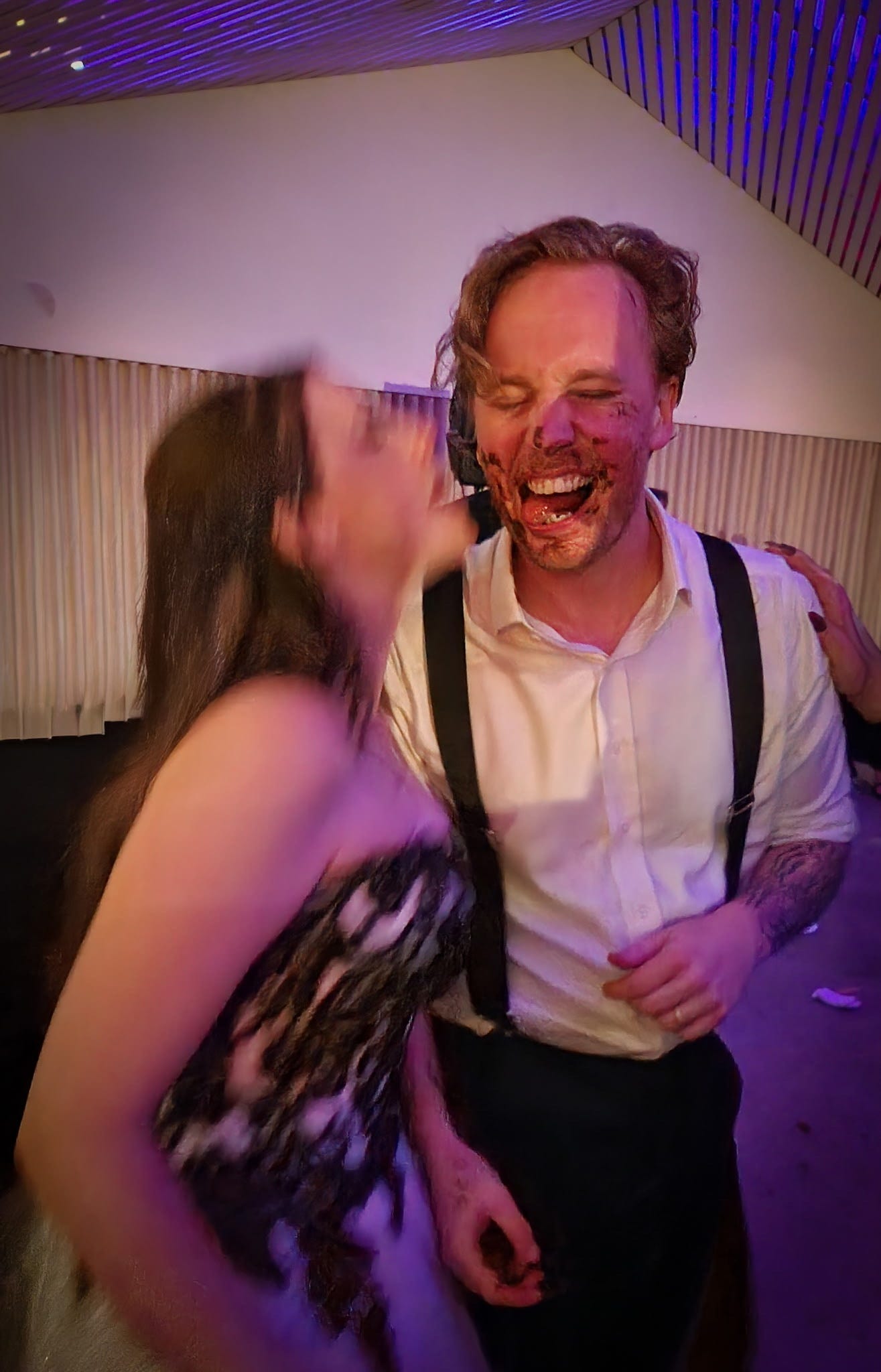
In my first rapture with the song, I’d missed the point. It wasn’t about clinging to misery, it was about understanding it. I wouldn’t mistake this again. In the midst of these various indignities, I sobered up, clung to friends who wouldn’t allow my collapse. I married a woman whose effortless grace made me want to be worthy of her presence, let alone her love.
Yet still, I find it painful, excruciating, to know others and be known. Because it requires something I, and Our Hero, seem unable to grant or accept: forgiveness. The notion itself awakens in me a grinding enmity, a bellow from somewhere hollowed out inside screaming “not good enough,” or, to quote from elsewhere in the album, “You will always be a loser.” A faint scream that never leaves.
“A Pot In Which To Piss” asks: when stripped of all dignity, all disguise, what is left of me? Can I allow myself to be known by anyone, one atrocious failure after another? Is there any camaraderie to be found? And it reminds me of the necessity of forgiveness as an end to torment. ◆
About Connor
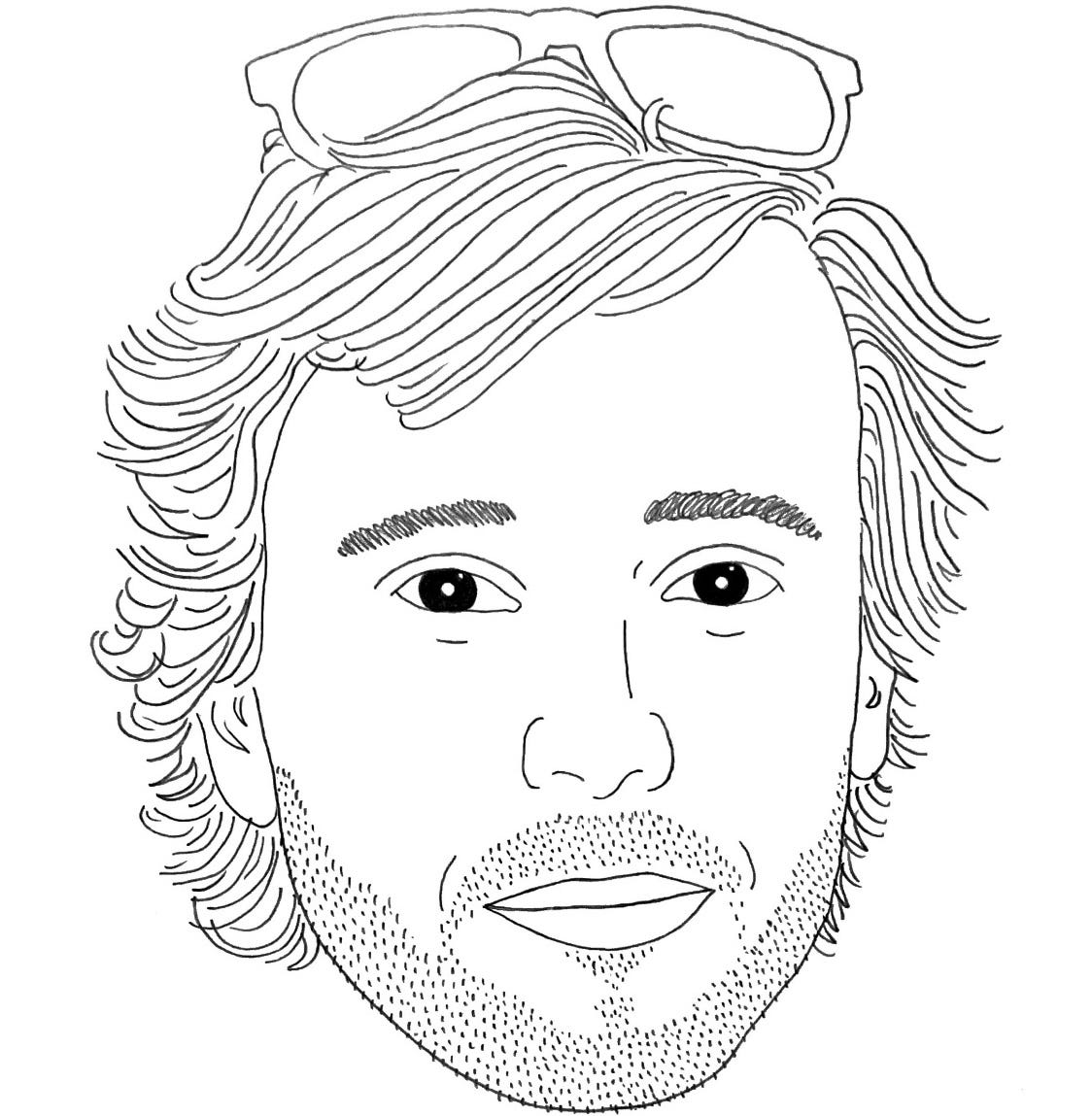
Connor Zaft is an artist in New York. In the winter, he stagehands around the city. In the summer he fights wildfire in the western states. In between, he writes music and photographs. When he can, he directs plays. You can spy on him via Instagram.
Instagram @cwzaft
⭐ Recommended by
Billy Gartrell (No. 107)
Every TSCML writer is asked to recommend a future contributor, creating a never-ending, underlying web of interconnectivity 🕸️
This Song Changed My Life is open to submissions. For consideration, please fill out this simple form.
🔒 Unlock this playlist with a paid subscription

After Dark Playlist 🌚
Music for long nights. Listen→
Categories
Friendship • Family • Coming of Age • Romance • Grief • Spirituality & Religion • Personal Development • LGBTQ+
Recommended