

No. 154 - The Beatles’ “Lucy in the Sky With Diamonds” Changed My Life
Chelsea Taylor felt invisible as a child — until one small moment of acknowledgment became a turning point

This Song Changed My Life is an independent music publication featuring weekly essays from people all around the world about the songs that mean the most to them. Created (and illustrated) by Grace Lilly.
Enjoying the series? Support here to keep the good stuff coming 😊
• 7 min read •
Content warning - this post briefly mentions childhood suicidality
I grew up weird. I originally wanted to open with “I grew up weird and lonely,” but that seemed a bit dramatic. Who am I kidding, though? I grew up dramatic, weird, and lonely.
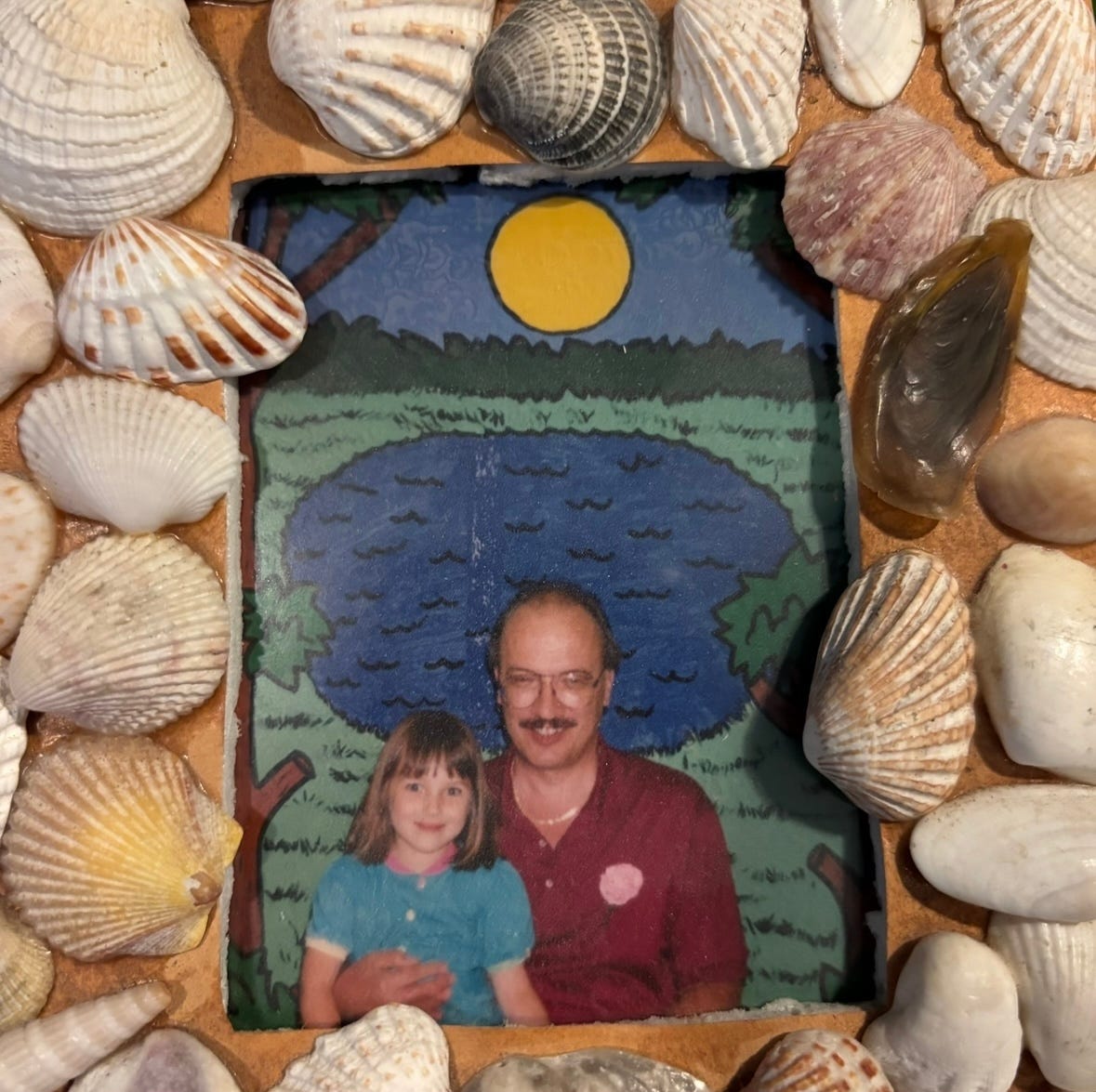
My father was nearing 50 when I was born, my mom was 35. She had ovarian cancer before my existence (in the late ’80s), was told she’d never conceive, then conceived me, gave birth to me, quickly got cancer again, and then died. My memories of her are of her hooked up to IV bags, her wigs to cover up her chemo baldness, and cuddling with her in hospital beds. She died three weeks after I turned five. My 50-year-old father was left raising me all on his own.
My dad had his own pain on top of losing his wife (whom he still says is the love of his life) — his eldest son died at 17 years old, only about a year before I was born. This half brother I never met died suddenly, dramatically, tragically. I still had two living older half siblings when I was born, but they were raised by their mother and were already 14 years older than me when I was born. So my old dad raised me on his own, while navigating his own grief and trauma, and I grew up a little weird.
I preface this in order to qualify that I was a depressed kid. I do think being a 13-year-old girl in general is its own type of Hell, and I certainly was in one of Dante’s deeper circles by that time. I already had a rich inner life of self-hatred. I wasn’t pretty, athletic, or popular like my fellow 13-year-old girlfriends who all seemed to be star players on the basketball team or the leads in the school play or the solo dancer in the recital.
I easily fell into being the butt of jokes with my friends, because that’s where I felt wanted, valued. Everyone smiled and laughed when they hip checked me in the hallway and I’d go flying into the wall or fall down. Everyone smiled and laughed when they told me to eat a concoction made up of pieces of everyone’s lunches. A little chocolate milk, a little salami, a little jello, mix it all together and tell Chelsea to eat it. And I would. And everyone would laugh. But at least I felt like I had a space at the table, at least I got to be near them when they laughed, even if it was me that they were laughing at.
I could only experience myself in comparison to my peers at this point in life, which I suppose isn’t that unique for any 13-year-old. My personal world of comparison included “being worse” in relation to my friends who excelled at seemingly everything a person could succeed at, who could look at themselves in the mirror, who had families that consisted of more than just an old dad, and how all those family members also seemed to love them. All I knew of myself was ugly, untalented, and a burden to my father. My only true childhood respite, the only place I ever felt somewhat comfortable in my own skin, was when I was on the piano bench.
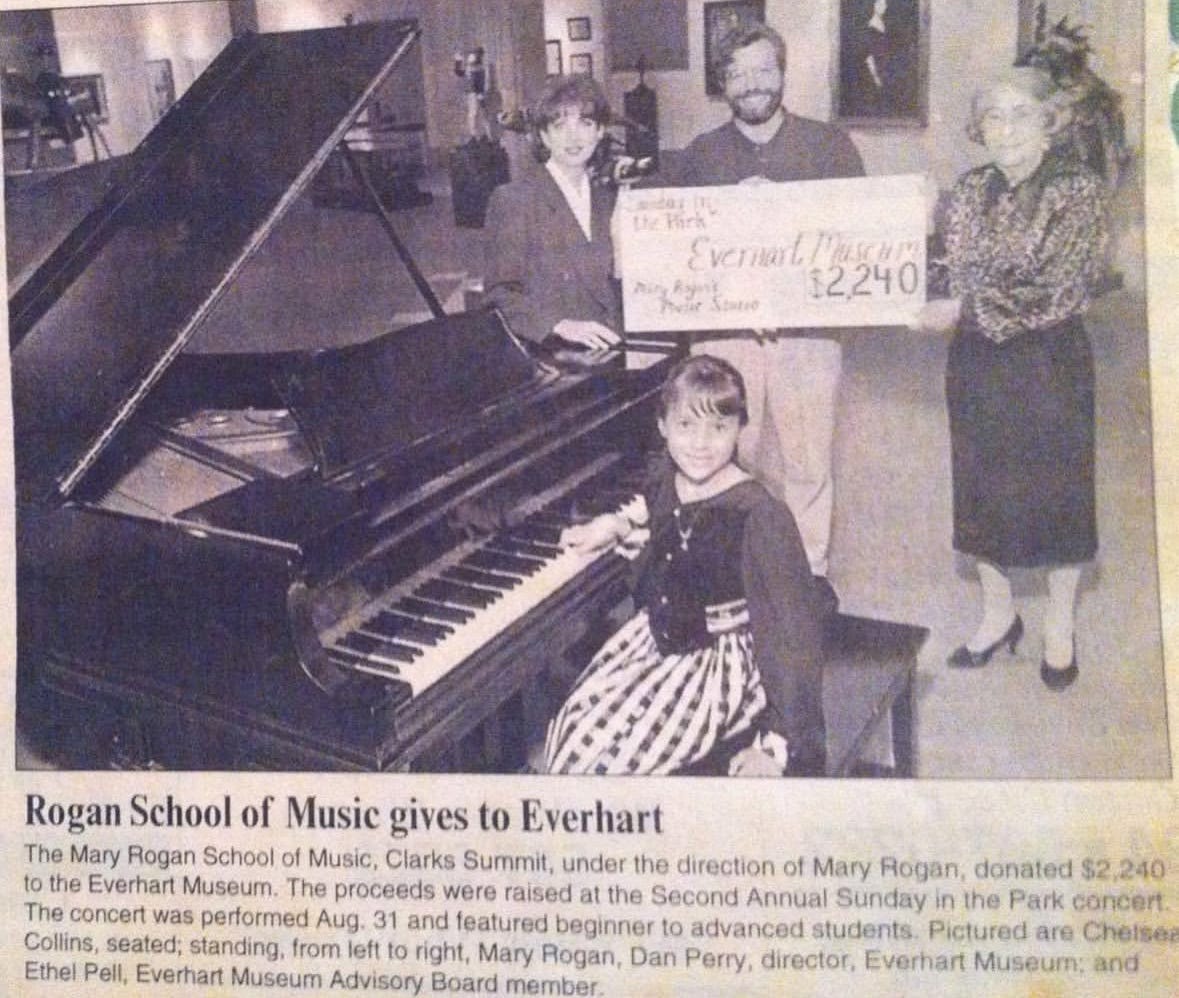
After my mom died, I asked my dad if I could learn to play the random piano in our house. My dad was a dentist and received payment from a patient in the form of this piano many years before I was born. He didn’t play it, my mom didn’t play it, no one played it. My dad’s mother played a little piano but I’m not sure if I was aware of this at my young age. I didn’t have any strong familiar connection to making music, I just knew I wanted to play piano.
My dad happily obliged his newly motherless five-year-old daughter and I started taking piano lessons. I took lessons weekly well into my teen years. At the piano I could express myself. I had a place for my focus that wasn’t hating myself. And when I got to experience creative flow, well, that’s really the only time that life seemed bearable.
I don’t know when obsessions about killing myself started, but pretty young. One December day when I was 13, I wrote a little suicide note, took a bunch of my acid reflux medication, and tried to go to sleep. I don’t remember what happened next exactly, but I ended up going to an inpatient adolescent psychiatric hospital for about two weeks. A lot of details are missing from this stay (which would be the first of a few during my teens). I can remember the fluorescent lights, the bright white walls, the sneakers that were missing their shoelaces, having aids sit out in the hallways during the night. I remember the threat of the locked padded room just by its existence.
Since my stay at the psych hospital was during the school year, all us mental patient children were required to do a few hours of “school” a day. “School” consisted of all of us sitting in another white-walled, fluorescent-lit room, that had lines of school desks. We were given schoolwork that our parents delivered from our respective middle and high schools. We had to sit for those hours and either do packets of schoolwork or not, and just wait out the clock.
The “teacher” was a young man in his 20s. Reflecting on this now, I assume he was more likely an aid getting paid little more than minimum wage to babysit a bunch of mentally unstable tweens and teens. In the corner of the room, there was a bulky desktop computer that seemed to lack purpose other than having a music player and a few songs downloaded on it (we’re talking 2003 here, to give a bit of technological context). Whenever we had our breaks during “school,” the teacher would play these three songs on repeat. And although all three of these songs collectively influenced my life, one really did create a profound rippling change.
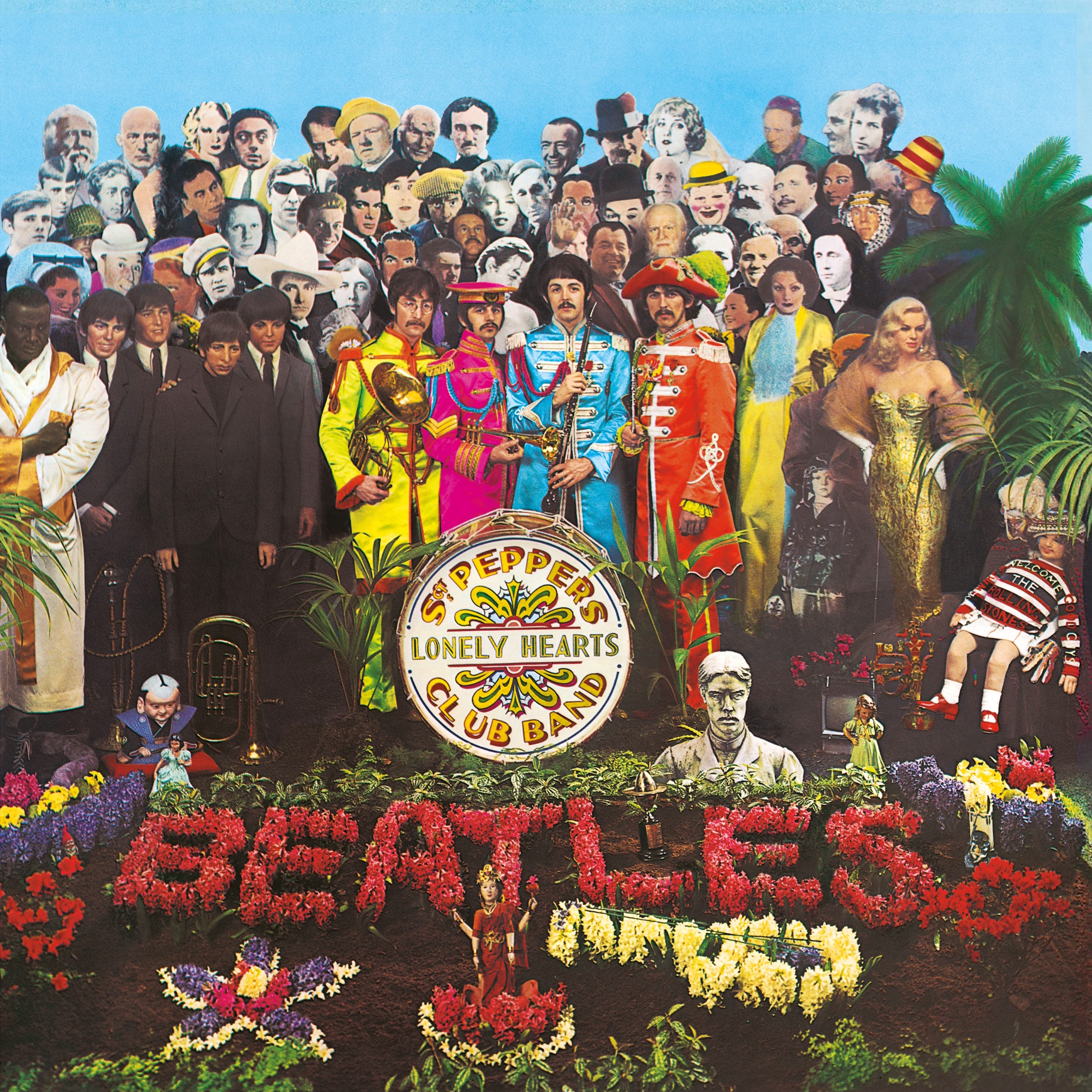
The three songs were previously unknown to me (and seem ridiculous now to have been chosen to be played, on repeat, to mentally unwell children): “Strawberry Fields Forever,” “I Am the Walrus,” and “Lucy in the Sky With Diamonds.” I knew who the Beatles were, but I am unsure if I would have been able to tell you any song by them other than “Norwegian Wood,” a song I had learned to play on piano a few years prior. I remember sitting in that adolescent mental health classroom, finished with all my work, with my head resting on my arms on the desk, just listening to these songs over and over. It was the best part of the day. I remember waiting for “Lucy in the Sky With Diamonds” to begin in the rotation. I fell in love with the repeating, opening refrain and found myself in the lyrics. The song transported me out of that white-walled space. I could picture myself on a boat on a river, I could also be the girl with kaleidoscope eyes. I could have a little reprieve from my reality.
I remember the “teacher” asking if I played piano because he noticed that I was fingering the repeated refrain, the opening four bars, on the desk. I don’t remember having any real conversation about this other than telling him that I played piano and could probably play the refrain if I had a keyboard. And I remember him taking some kind of interest in this. I felt worth being interested in for that brief moment. This simple interaction was a turning point in my understanding of myself. I felt seen for once. I felt somewhat understood. It makes me tearful just reflecting on it now.
I would go home and try my best to figure out how to play “LSD” on my upright piano, after spending a day downloading the song off KaZaa. I asked my piano teacher if she had ever heard of it, and don’t you know, she had! She even had the sheet music for it, which she printed out and gave to me.
And that’s it. Something as simple and seemingly small as this random adult noticing my deep connection to music unlocked a pathway that led me to begin to understand myself differently, to drift off the path of self hatred and experience something new. I had felt so lonely, different, and misunderstood in my short life, yet this young man noticed something real about me. I have to imagine he was a musician or a deep music lover himself (why else would he play these songs for us?). He understood me, he saw me. He recognized that “LSD” was connecting with me in a deeper way than just merely “liking” the song. His curiosity about my authentic self helped me to recognize that maybe this was a part of myself that I did like. I had felt so invisible to everyone around me, but someone noticing that I was connecting with something inherent to my beingness, a sense of knowingness for myself, and connecting with me about it just by being interested… It started to unravel the heavy layer of unworthiness I had been cloaked in.
“LSD” provided the space for me to be truly understood by another. “LSD” allowed connection from the sun in his eyes shining on me, it gave me a new sliver of hope for myself, which would widen exponentially over the years. Something so simple, that I’m sure this random man has no recollection of, gave me enough confidence to start shining some light on this inherent part of myself. I was able to start to see my own internal, inherent diamond of worthiness. ◆
About Chelsea
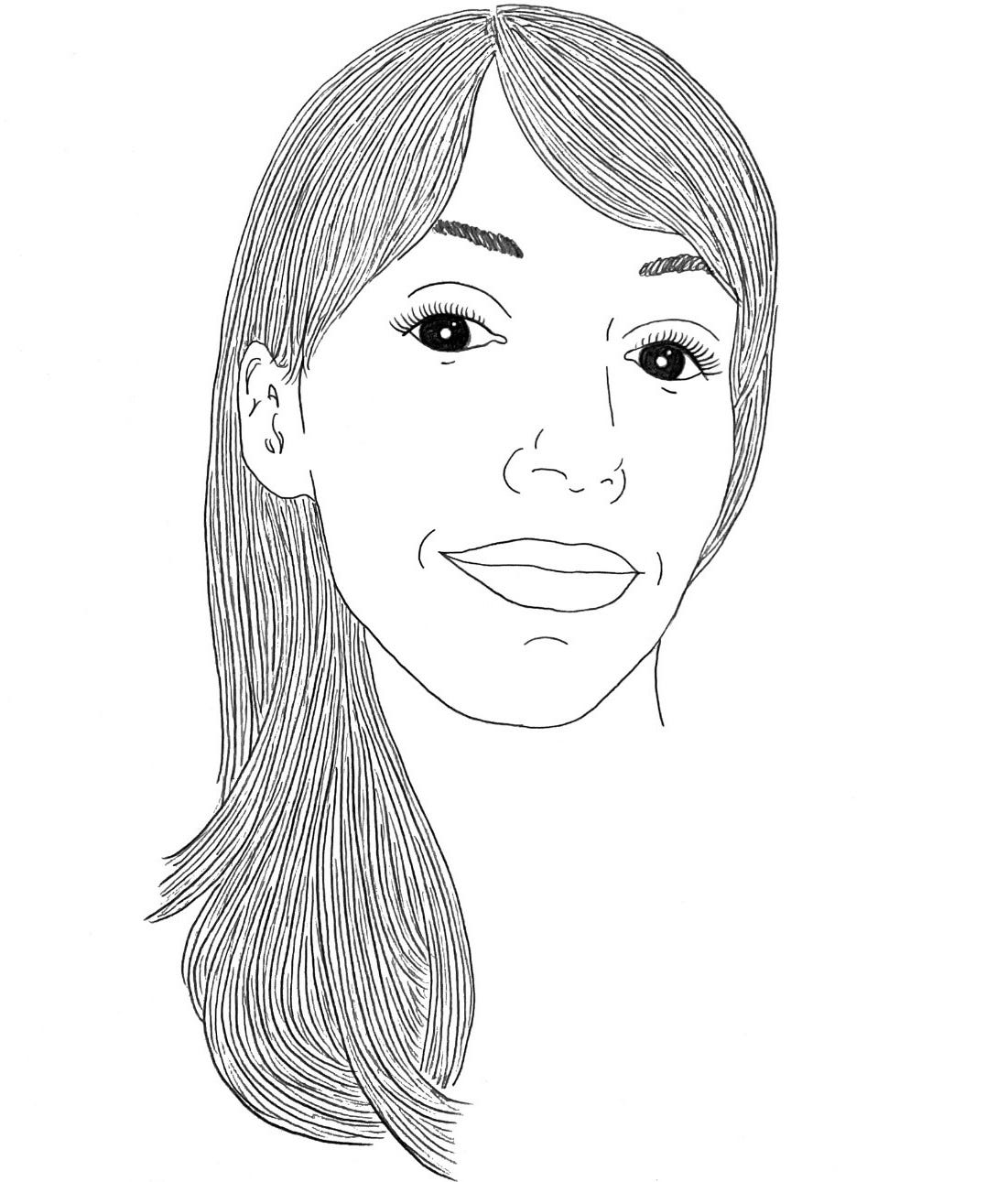
Chelsea Taylor is a musician who has been lucky to play in multiple bands over the past 15 years including A Fire With Friends, Pity Party, and Great Wave. Currently Chelsea’s heart is enveloped in her solo christoschizo/classical-experimental project, sower. sower’s first EP, The Intrepid Faith Hymnal, was released in 2025.
Instagram @sower_sounds
⭐ Recommended by
Edward Cuozzo (No. 120)
Every TSCML writer is asked to recommend a future contributor, creating a never-ending, underlying web of interconnectivity 🕸️
This Song Changed My Life is open to submissions. For consideration, please fill out this simple form.
🎉 Happy anniversary!

Special Edition: Celebrating Three Years of TSCML ✨
It feels important to be producing and partaking in something so deeply human right now, and every year this feeling grows. Read→
Categories
Friendship • Family • Coming of Age • Romance • Grief • Spirituality & Religion • Personal Development • LGBTQ+
Recommended