

No. 145 - Fela Kuti’s “It’s No Possible” Changed My Life
In 1980s suburban London, the radio led Lee Walker from funk to Afrobeat and beyond

This Song Changed My Life is an independent music publication featuring weekly essays from people all around the world about the songs that mean the most to them. Created (and illustrated) by Grace Lilly.
Join 1,000+ music lovers to get a new essay in your inbox every Friday 😊
• 4 min read •
How do you discover new music? Likely some combination of Spotify, Pandora, Apple Music, Shazam, YouTube, digital radio, and cable TV.
Now imagine a dark, dystopian place where none of these existed. THERE WAS NO INTERNET. It was the 1980s. An era where the amount of music at our disposal was extremely limited. In the UK, there were four national radio stations and a handful of music-based TV shows, many buried late at night.
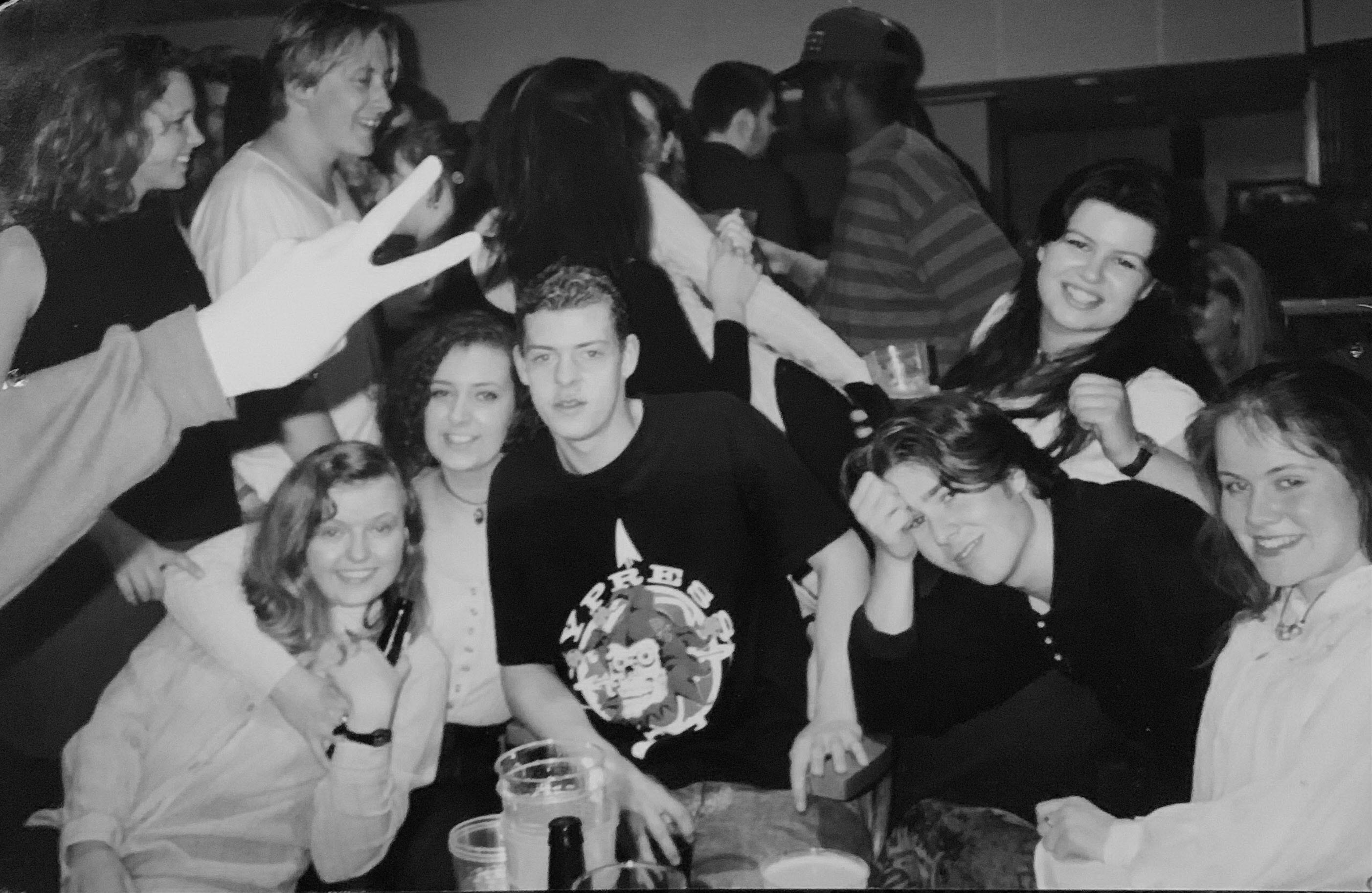
I grew up in a mundane town just outside of London; a lot of us did. When the book Britain’s Crappest Towns came out, so many people complained about their exclusion that they had to produce Volume Two. There was no live music scene. We were largely feeding off the scraps of whatever made it to the charts, the “Top 40.” The musical hegemony at my overwhelmingly white school was guitar-based mainstream music. The soundtrack to house parties was British Indie and US rock/metal. I was at those parties — there was beer and girls — but there wasn’t much dancing, and I was heading down a different musical path.
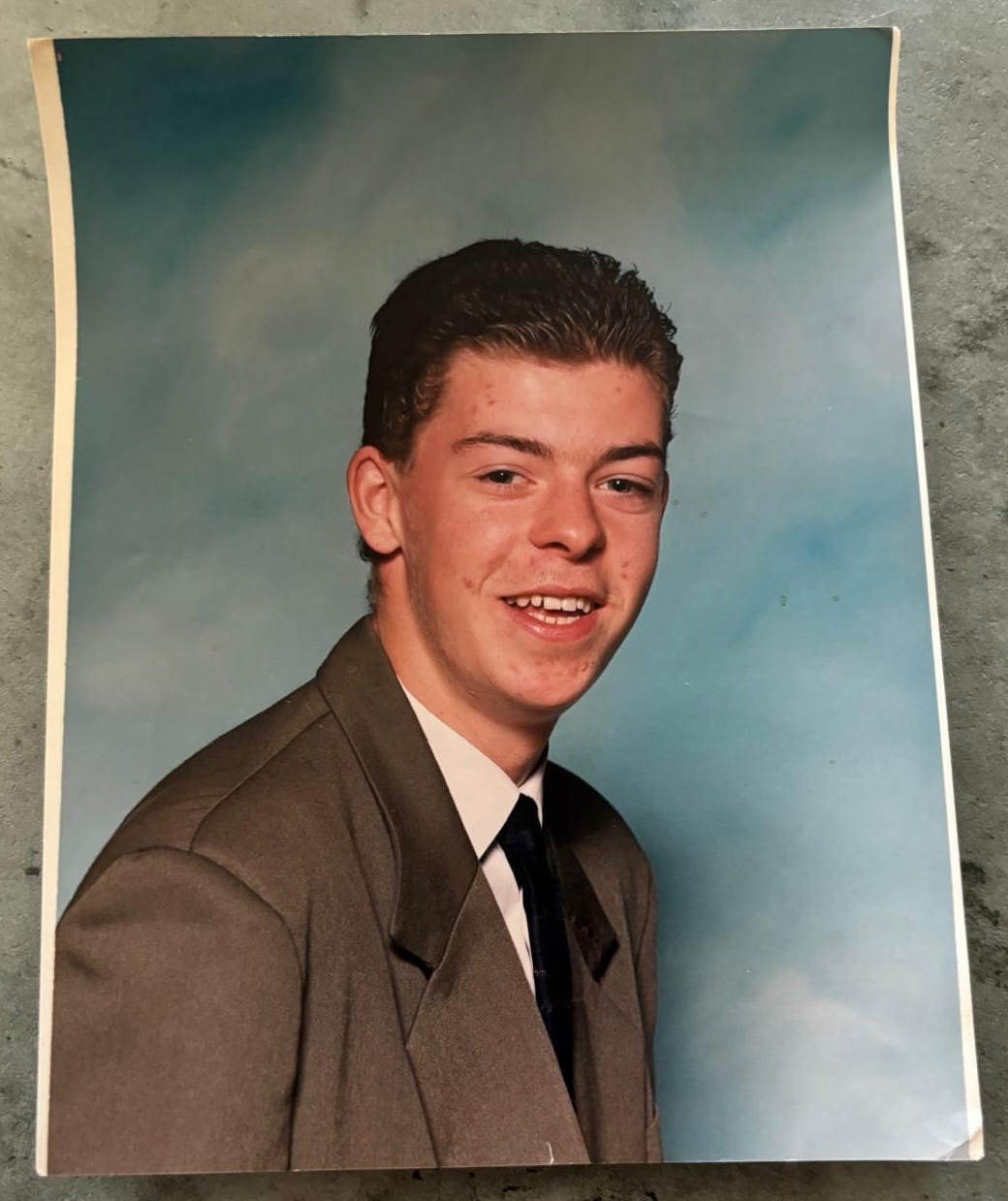
One thing hasn’t changed: the home is a great source of discovery. My mum and her brothers all leaned, as a lot of white kids growing up in the ’60s in the UK did, towards Motown and Black music. Helping my uncle strip wallpaper to Stevie Wonder’s Innervisions was a revelation, and a Barry White cassette was borrowed, possibly without his knowledge, from another uncle.
The first time music changed my life was when I heard “The Payback Mix,” not really a song, but a mash-up of old songs. In 1988, it reached the UK charts and I was introduced to the real James Brown. “Living in America” had come out three years before, but it was a Hollywood-soundtrack, sanitized version of the Godfather of Soul. This was the real James Brown. “Get Up Offa That Thing” rolled into “Super Bad” and then into “Get on the Good Foot.” This was my sound, it was “on the one.”
Technology was evolving and with it came heightened discovery. Nascent satellite television brought Yo! MTV Raps and VHS tapes were soon filled with songs like Digital Underground’s “Humpty Dance” and Das EFX’s “They Want EFX” with their samples of Brown, Sly Stone, and George Clinton. I thought I was deep into Hip-Hop, but I was deep into funk.
New radio stations popped up, including London’s Kiss FM. As a teen, when spending a minute with your parents was 60 seconds wasted, I camped out in my bedroom listening to the station. I recorded the weekly shows of DJs Patrick Forge and Gilles Peterson onto cassette, re-listened to them, and added the best tracks to a color-coded master mixtape.
Then one Sunday night it hit me.
1, 2, 3, ugh…
Followed by the hardest bass line I’d ever heard.
“Heavy rhythm,” said a Nigerian-accented man, and then for the next 17 minutes I was smashed around the head by a cavalcade of African percussion, keyboards, horns, and bass guitar.
This was James Brown on steroids.
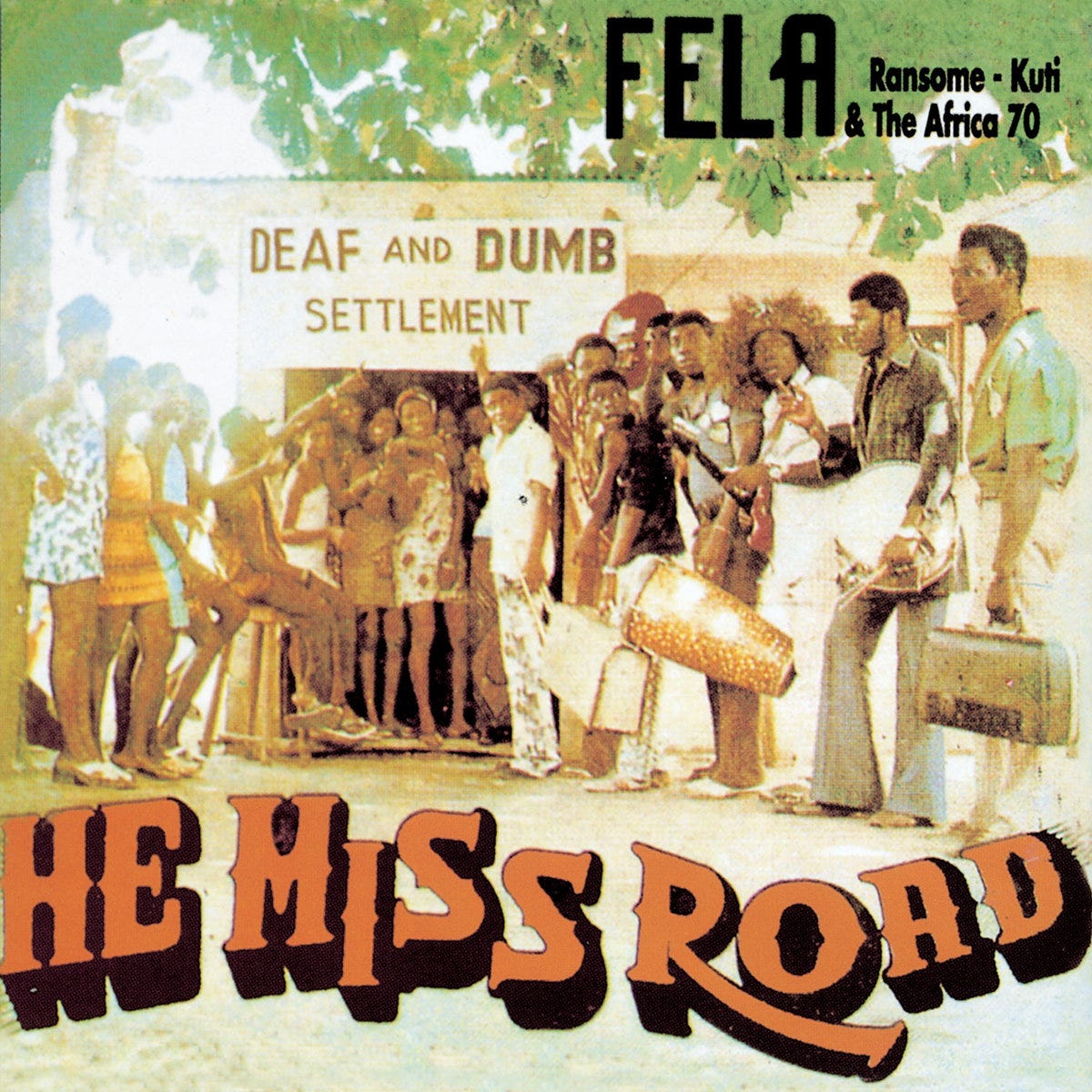
This was “It’s No Possible” by Fela Kuti.
The Oscar-winning documentary When We Were Kings illustrated James Brown’s popularity in Africa. He toured Nigeria and was a big influence on Fela Kuti. Fela, who had musical training in England and spent time in the US, distilled the essence of Brown’s funk, drew on traditional Yoruba and Juju music, and created an entirely new sound — Afrobeat.
A sound, by definition, is difficult to describe in words, especially for someone whose instrumental acumen extends as far as playing the triangle, but the tl;dr is Fela’s legendary drummer Tony Allen took the structure of American funk beats and made them more polyrhythmic.
Nearly all of Fela’s work follows a formula where Allen creates the foundation with these complex rhythmic patterns. On “It’s No Possible,” at least 10 minutes of instrumental freewheeling is layered on top before Kuti eventually sings in Pidgin English with highly politicized lyrics aimed at the government institutions of Nigeria in the 1970s.
I craved more details about this mind-blowing record immediately upon hearing it, but as it faded out, Peterson casually said, “Fela,” and moved on to the next track. Now, where I came from, “Fella” was just slang for a man or boy. I had just heard the greatest song of my life and all I could put down on my mixtape was “Fella.”
Fortunately, a bunch of Kuti albums were being re-released on CD at the time, and soon I was able to put a surname on the mixtape. Analog research via a record shop’s monthly catalogue unearthed more of his work.
I went to college not long after, and my mum was given the arduous task of cassette operator. Twice a month a Jiffy bag of C120 cassettes arrived ready for mixtape consideration. CDs were £14.95, nearly half my weekly rent at the time, but I wanted as much Fela as I could find — ironically one of my favorite albums is entitled Expensive Shit.
Brown, Stone, and Clinton remained omnipresent in my listening habits, but as Hip-Hop shifted, I was increasingly drawn to other music coming out of Africa in that period. Digital discovery took me to Cameroon and Manu Dibango, the huge scene in Ghana, and Ethio-Groove. There are tracks from Benin, DR Congo, Burkina Faso, South Africa, and Mali in my iTunes library, and your life will never quite be the same after you’ve heard 1970s Moroccan funk artist Fadoul.
One song had begun a passage that unlocked an entire continent’s music. ◆
About Lee
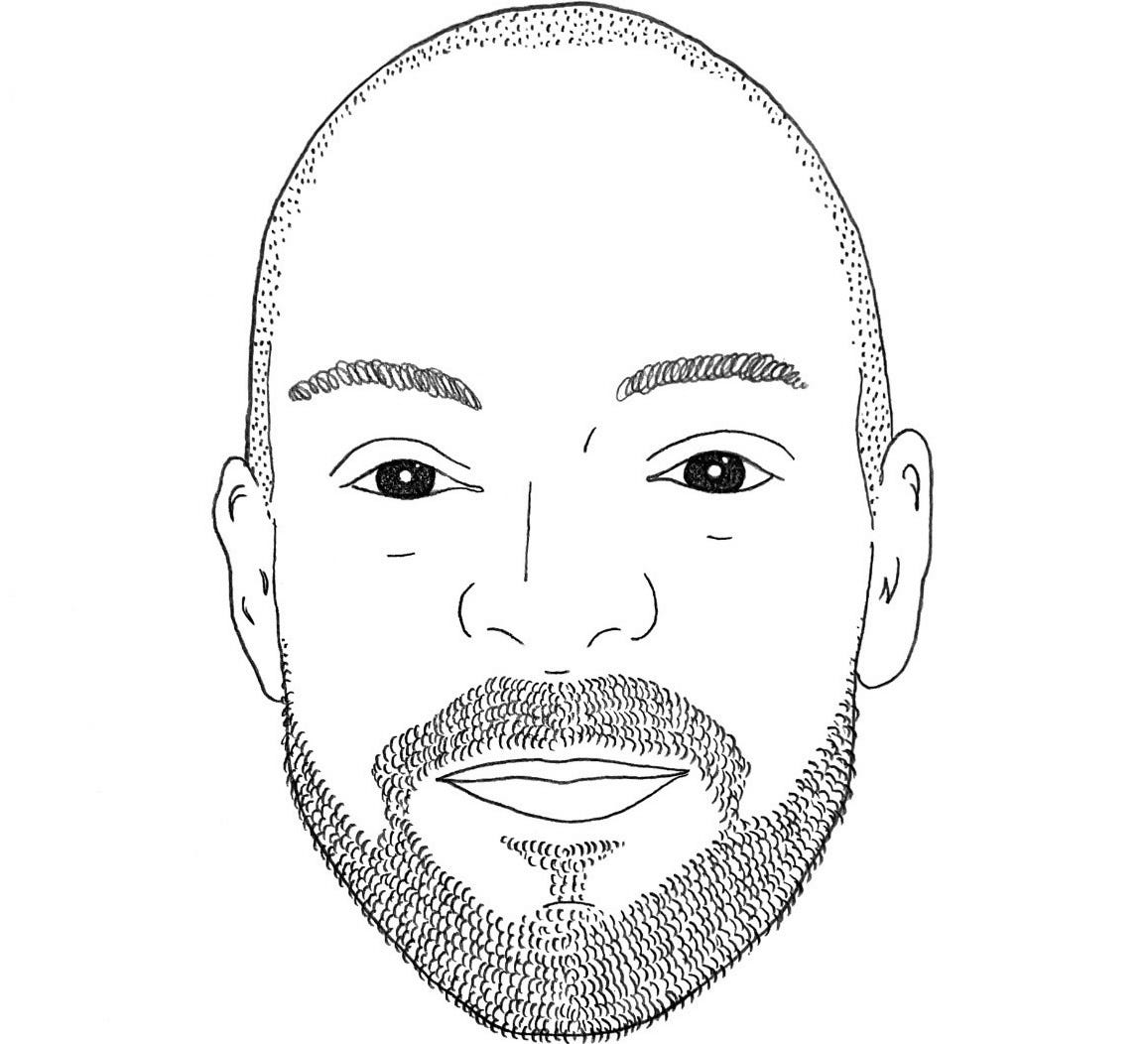
Lee Walker has worked in digital sports for 30 years and relocated from London to Hoboken, New Jersey four years ago. He shares his home with his partner Anita, their triple passport owning sons Cillian and Cormac, his golf clubs, and his skis.
Instagram @leewalk498
⭐ Recommended by
Shane Evans (No. 023)
Every TSCML writer is asked to recommend a future contributor, creating a never-ending, underlying web of interconnectivity 🕸️
This Song Changed My Life is open to submissions. For consideration, please fill out this simple form.
🔒 Unlock this playlist with a paid subscription

Dance Funk Playlist
A playlist for getting down. Listen→
Categories
Friendship • Family • Coming of Age • Romance • Grief • Spirituality & Religion • Personal Development • LGBTQ+
Recommended
One legend writing about another. Funk forever