


This Song Changed My Life is an independent music publication featuring weekly essays from people all around the world about the songs that mean the most to them. Created (and illustrated) by Grace Lilly.
Enjoying the series? Support here to keep it going 😊
• 4 min read •
I inherited my first musical loves, as I imagine many have, from my parents. Some kids end up rejecting that music, but I am not one of those kids. This, of course, does not include my dad’s showtunes obsession (if I hear Cats’ “Mr. Mistoffelees” one more time, I may shut down). I devoured Dylan, flew with the Byrds, and when I discovered the Beatles — sweet Jesus — the song hemisphere shifted. I was fully committed to the ’60s and ’70s: in my not-so-humble opinion, they were (and still are) the best musical decades.
Having grown up in Catholic schools, by high school I was constantly fighting against conformity. These artists tapped into my innate inability to tolerate certain levels of authority (plus many had long hair). Their message was clean, clear, and sharp — I knew where I stood.
And then I drove to Portland, Maine. I would not leave there the same.
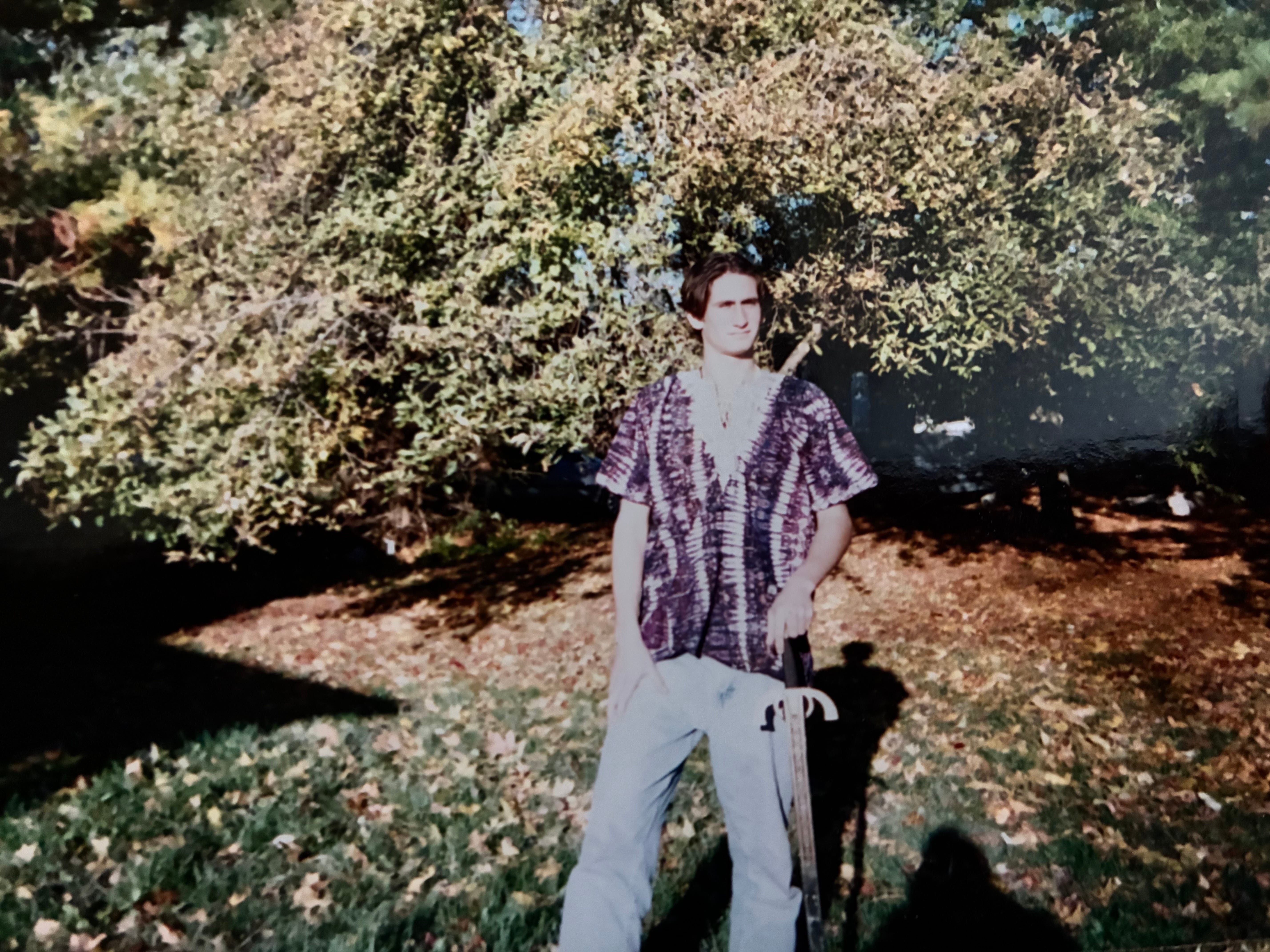
I, a Maryland kid, was visiting my older brother, who was attending Maine College of Art. His roommate was this genuinely kind dude named Warren. As I sat with them, admiring the surfboards on the dimly lit but super-thick wooden walls (and admiring even more the giant bong being passed around), my brother handed me a strong Maine IPA, and Warren pressed the play button.
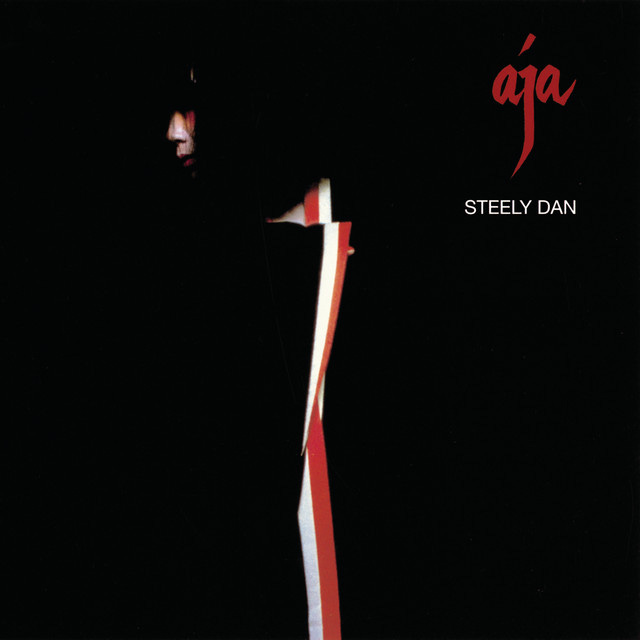
What happened then changed my perspective on music, and as I’ve grown, that perspective has continued to evolve and become clearer. “FM” by Steely Dan came on, and from the first piano hit, I was in a state of pure stoned capitulation. Fagen’s uniquely sardonic voice and Becker’s sweet, jazzy movements already had my attention — and then “Deacon Blues” started.
It wasn’t rock or jazz, really, but was instead unlike anything I had ever heard. “Deacon Blues” was like a strange late-night conversation the singer is having with himself, and it began a conversation I continue to have with myself.
Learn to work the saxophone
I play just what I feel
Drink scotch whiskey all night long
And die behind the wheel
While at the time I didn’t understand the song, I instantly recognized it. That part inside of me — the refusal to give in, the unshakable feeling that I need to fight my instinct to bend instead of break — it was all here but new. It felt more honest, but also… disillusioned.
I became keenly aware of two things (or as keenly aware as an 18-year-old on weed can be).
First, I felt the way this person felt. I, too, wanted to play how I wanted: I felt connected to this reluctance to accept the norm and what has been handed to you. I also loved whiskey, and while I wasn’t turned on by the idea of death by driving, I was absolutely drinking a lot of whiskey in college.
Second, I also didn’t feel this way — not completely. Confusing, right? The songs I had loved up to that point had left little room for interpretation, and the ones that did I hadn’t really heard. Take Steely Dan: They were part of the ’60s/’70s era I adored, yet I’d only absorbed the radio hits and never connected their name to this sound — until now. Several times while listening to the entire A Decade of Steely Dan compilation, I experienced what I now call the “Hall and Oates effect”: a hazy, slightly buzzed “They wrote that too?!” moment.
“Deacon Blues” was an invitation to fight, but not a promise to win. It was a command to embolden oneself, but it was also destructive and self-demeaning. Little did I know then how this mixed message would shape my personality several years later.
I cried when I wrote this song
Sue me if I play too long
This brother is free
I’ll be what I want to be
I drove home later that week. I was still wearing a dashiki and believed in love, not war, but now Steely was making its way more and more into my rotation — to the mockery and disgust of my friends. I didn’t know at the time exactly what was shifting inside me, but I knew in my bones that this band was not like any other, and that the small cracks appearing in the youthful shell around my world would probably get bigger.
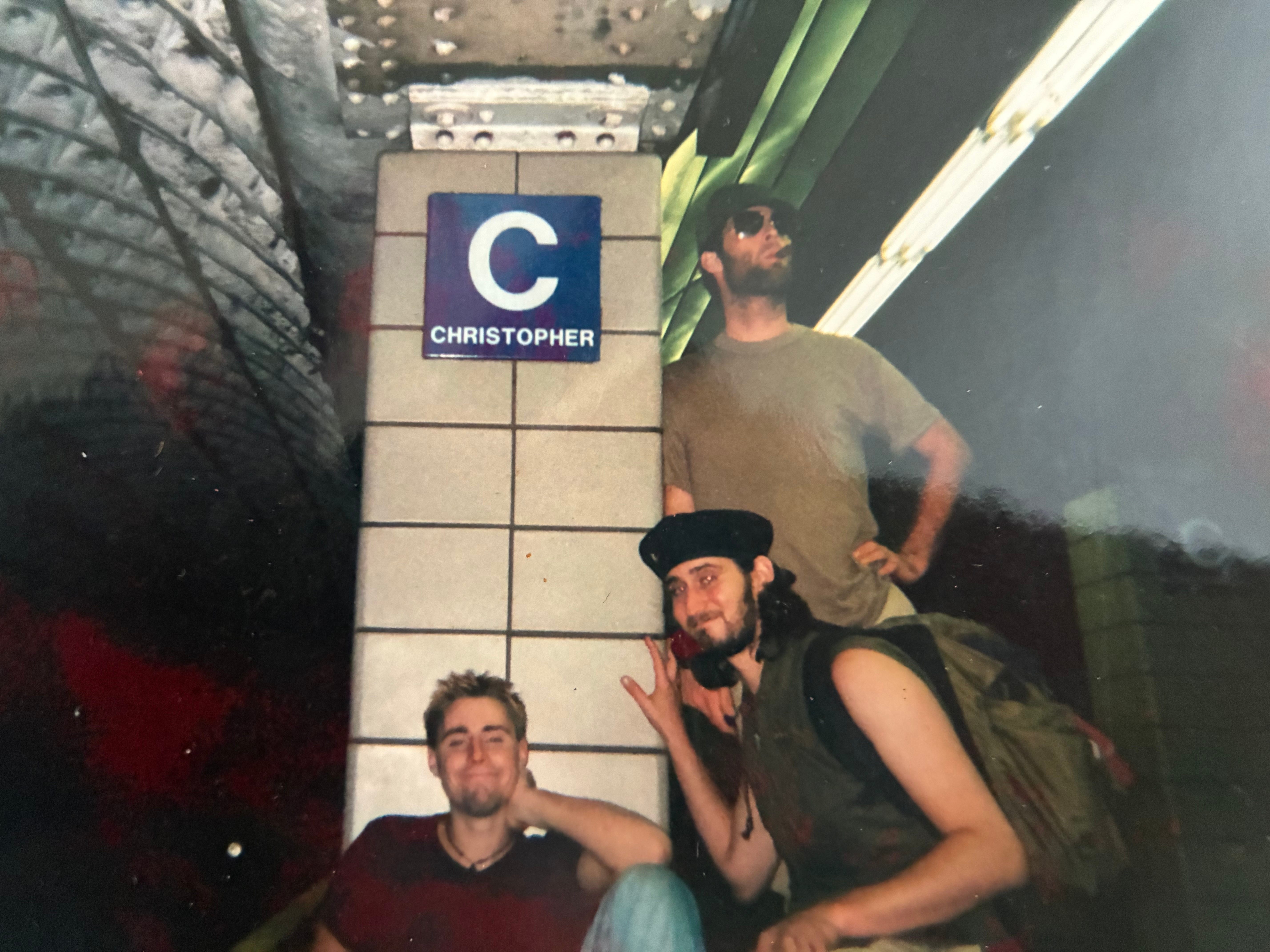
As I went from wandering around college to working in New York City, I saw more of those cracks in the shell. And now, having moved to Maine myself, “Deacon Blues” is the one song that has grown with me. Every time I hear it, I understand a little more — about the song, but also about myself. Every time I have that late-night conversation with myself, it becomes a little more honest. As my view of life becomes more cynical, the words set in deeper.
I believe music is one of the strongest ways to shift our perspective, to reshape how we think, even when we may not realize it. “Deacon Blues” didn’t tell me I was right, and it didn’t tell me I could win. Instead, it showed me that I can be defiant even though disillusionment is always waiting right around the corner. That sort of freedom almost always comes with a cost, but Steely Dan suggested that it was one worth paying. That lesson is one I’m still learning. ◆
About Dominic

Dominic Brown is a professional copywriter, freelance writer, and amateur songwriter. He no longer drinks whiskey all night long (okay… rarely), but he does live in beautiful — and very cold — Maine with his lovely wife, three amazing daughters, and his dog, Finn, who doubles as his wrestling partner.
Website dvbrown18.myportfolio.com
Instagram @dvbrown18
⭐ Recommended by
Christopher Hartley (No. 127)
Every TSCML writer is asked to recommend a future contributor, creating a never-ending, underlying web of interconnectivity 🕸️
This Song Changed My Life is open to submissions. For consideration, please fill out this simple form.
🔒 Unlock this post with a paid subscription

Diary 💗 Walking home to The Shins
I’d grown up being taught that respecting rules was a key part of being a good person.
So one day when I spotted a set of sassy sticky notes at home that read, “If you obey all the rules, you miss all the fun,” I got worried. My mom must’ve bought them. They were those tacky-in-a-cute-way y2k home decor type items meant to be funky and silly. Like cocktail napkins that say things like, “It’s wine o’clock.”
They’re not meant to be taken seriously. But being the very trusting rule-abider I was, I took these words to heart. “I must be missing all the fun.” I was concerned, preoccupied even.
A couple years later I’d go through the obligatory rebellious phase that every teen goes through... Read→
🎉 Happy anniversary!

Special Edition: Celebrating Three Years of TSCML ✨
It feels important to be producing and partaking in something so deeply human right now, and every year this feeling grows. Read→
Categories
Friendship • Family • Coming of Age • Romance • Grief • Spirituality & Religion • Personal Development • LGBTQ+
Recommended