

This Song Changed My Life is an independent music publication featuring weekly essays from people all around the world about the songs that mean the most to them. Created (and illustrated) by Grace Lilly.
Join 1,000+ music lovers to get a new essay in your inbox every Friday 😊
• 6 min read •
I finished interviewing a former military officer and opted to take the subway back home. I usually got around Buenos Aires by bus.
My time in the Argentine capital was nearing its end. Every day felt more of a reminder of the precious, limited hours, the weight of crossed-out calendar pages pressing against my chest. I darted into the subway car just as the doors were closing and sat down.
A busker passed me, setting up his small portable speaker before strumming his guitar. (Fuck me if he’s about to play cumbias.) I was busy trying to figure out how to make the hands on my watch turn back.
He began to play. I recognized it immediately. My heart clenched and my skin tightened. He began to sing and I started to, quietly, lose it. I don’t think he expected this reaction but there was no stopping this show.
I got off at the next station. I had no cash.
⁂
Rock and roll — rocanrol — first came to me in the form of compact discs and MTV. I was living in Monterrey, Mexico at the time, a city known for its industrial vigor 224 kilometers from Laredo, Texas.
Looking back now, growing up in a city so unfortunately close to the American empire in the heydays of neoliberalism made it seem so normal that living in a place so similar to any random city in the US was something to aspire to. It wasn’t. But this manufactured yearning seeped into the culture. While many musical genres swept Monterrey, I developed a fascination for rock and roll and I increasingly wondered if this was something that could only be expressed in the English language.
I can’t tell you when I first heard “Persiana Americana” (American Shutter, as in a window) but I know where I first felt the power of Rock en tu Idioma. This was an album released in the late 1980s that was a collection and most importantly a tribute to the who’s who of Latin American rock.
I was in the back seat of my mother’s Volkswagen Pointer in the underground parking lot of the Plaza La Silla Mall when the track by Enanitos Verdes, Green Dwarves, came on. I was spellbound.
This was rocanrol in a different flavor. Homemade. There were no mondegreens for me this time, I could understand every word in my native tongue. (I severely need subtitles. For years, I thought Duran Duran was singing “If they don’t kiss, there’s always me,” rather than “That fiery kiss, is all we need” in “A View to a Kill.”)
Rock latino carried the weight of an entire continent’s sociopolitical history. Created, forged, built in an environment with ever present conservative and traditional structures, concocted during the years, if not decades of brutally repressive governments.
Rocanrol was different. It stung, it was hopeful. It was unapologetically not nostalgic but rather forward-looking, toward a better tomorrow.
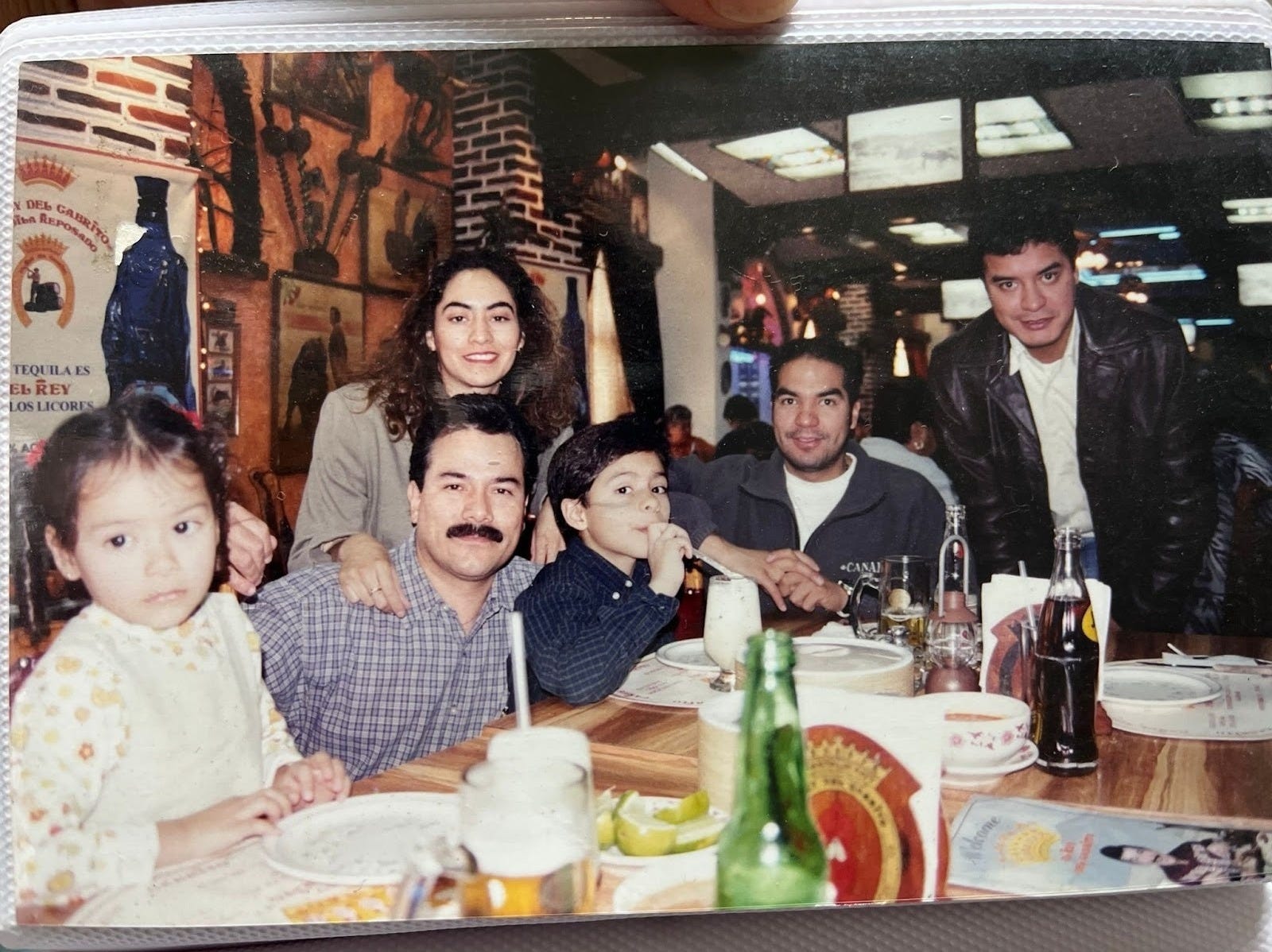
“Persiana Americana” was an anthem during our cross country road trips through Mexico. Its drum-filled introduction heightened my heartbeat and made me, not even a teenager then, think about the Mexico my parents had lived through. I wondered and asked them what it was like growing up in a Mexico City that wasn’t as full, as packed. Back when Iztapalapa, the most populated borough in the city, still felt green.
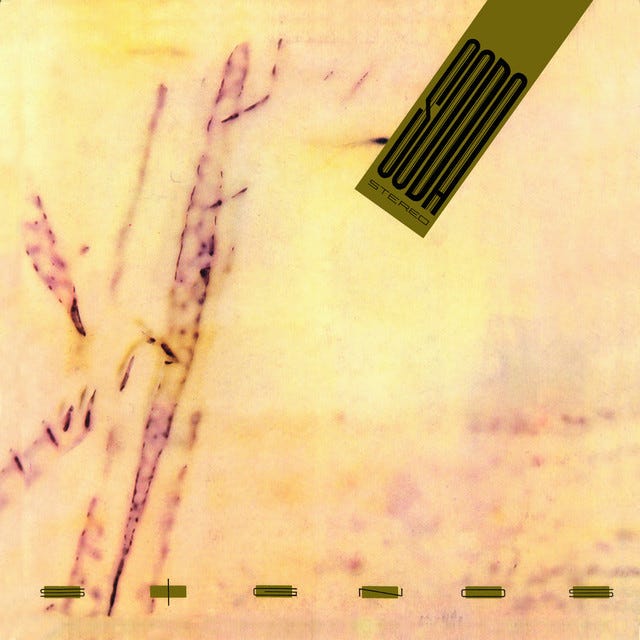
Listening to Soda Stereo while gazing at the stars from the back seat of the car on our drives from Monterrey to my birth town of Mexico City — a place I’ve never actually lived in — made the continent, countries, and people south of Mexico feel like they were long-lost relatives.
“We make up one single mestizo race that from Mexico down to the Strait of Magellan presents notable ethnographic similarities,” a famous Argentine explorer once said.
I left Mexico before I turned 10 when my mother got a job as a teacher in suburban Houston.

As a preteen and teen, I felt it was corny to like the music from your parents’ era. Despite this, I displayed my love for ’80s songs to my friends, but I only showed my favorite Latin American rock songs to a select few. None understood. Both linguistically and in a larger sense.
The only time I would hear some of these songs would be at parties my parents would drag my sister and me to, where it was nice, for a brief time, to be alongside people who got it, who knew the words, whose memories came alive again. Once, when I was a local journalist in Connecticut, I heard Soda Stereo blasting from a mechanic shop. I smiled, unable to actually see the person playing it.
What was supposed to be a one-year adventure in Los United Estates turned out to be two, three, ten. My sister and I spoke Spanish at home — my mother made sure of that — but on our trips to Mexico I noticed that I was falling behind on the day-to-day slang, that my friends noticed the changes in my dialect, that my Spanish was different. A distance began to form, a life that had previously been mine seemed to slip through my small fingers.
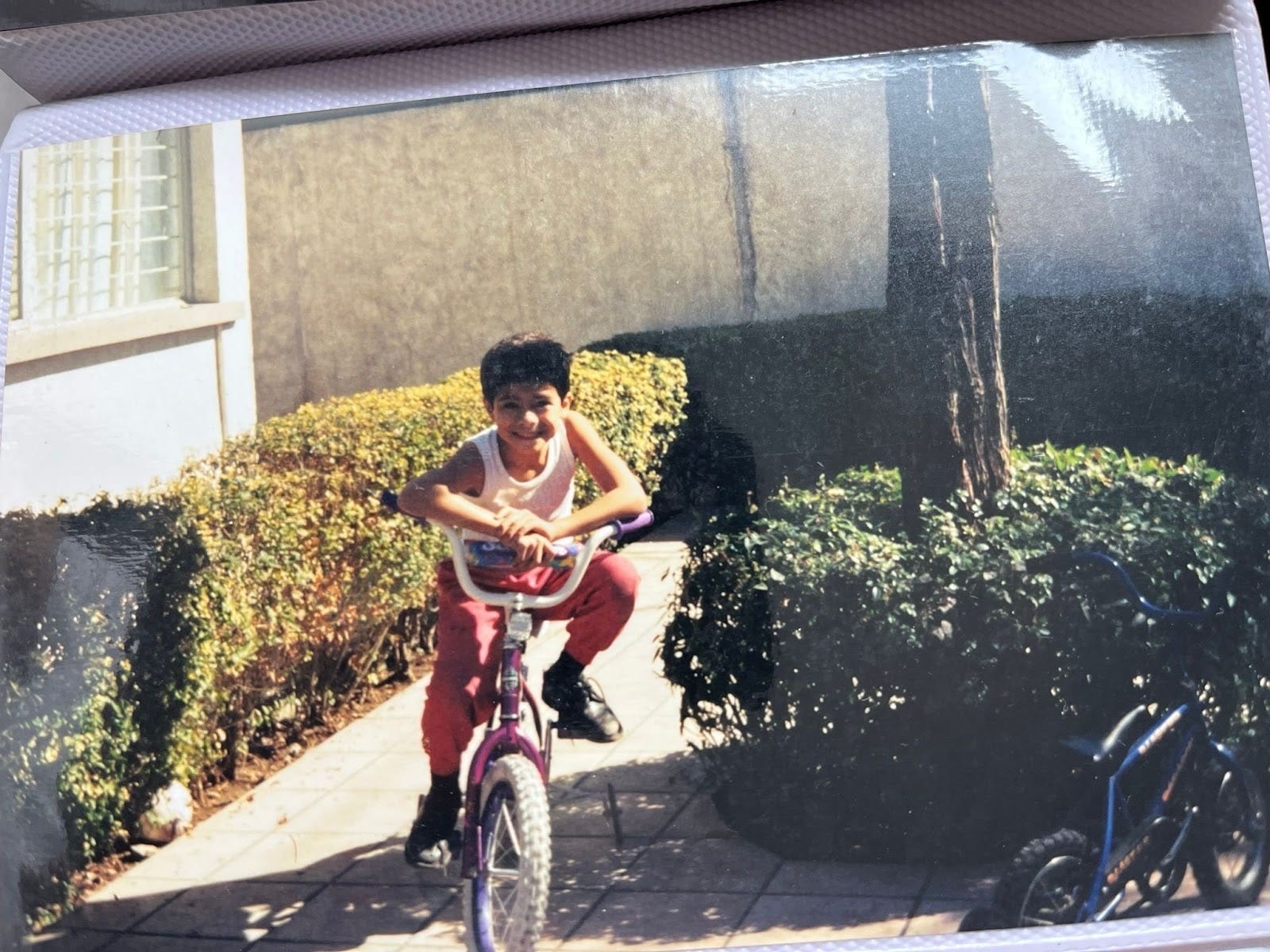
I was embarrassed that I didn’t know the words to several classic mariachi songs or other folk songs. And just when I’d been back home for long enough to feel myself finally able to latch on to those pulsing, vibrant roots, I’d be ripped back out to return to that other home north of the border.
I felt like I was losing my mexicanidad, my Mexicanness, despite genuine attempts at being as “Mexican” as I could in a different country.
In 2015, I spent a summer studying in Paris, relishing being a Latino in Europe, but at some point I realized that Latin America had always — always — been an option. For my study abroad semester in my third year of undergrad, I instinctively picked Buenos Aires. It was a no-brainer.
I knew that choice had been made years ago, in the underground parking lot of a Monterrey mall.
My seven months in Buenos Aires was the longest continuous time I’d been in Latin America since I had first left Mexico in 2003. Despertaba en español, soñaba en español, sonreía en español. Unconsciously, I ended up interviewing former military officers who were active during the Argentine Dirty War of the late 1970s and 1980s. The words from all these songs, from these rocanrol albums, had guided me there, had been, for years.
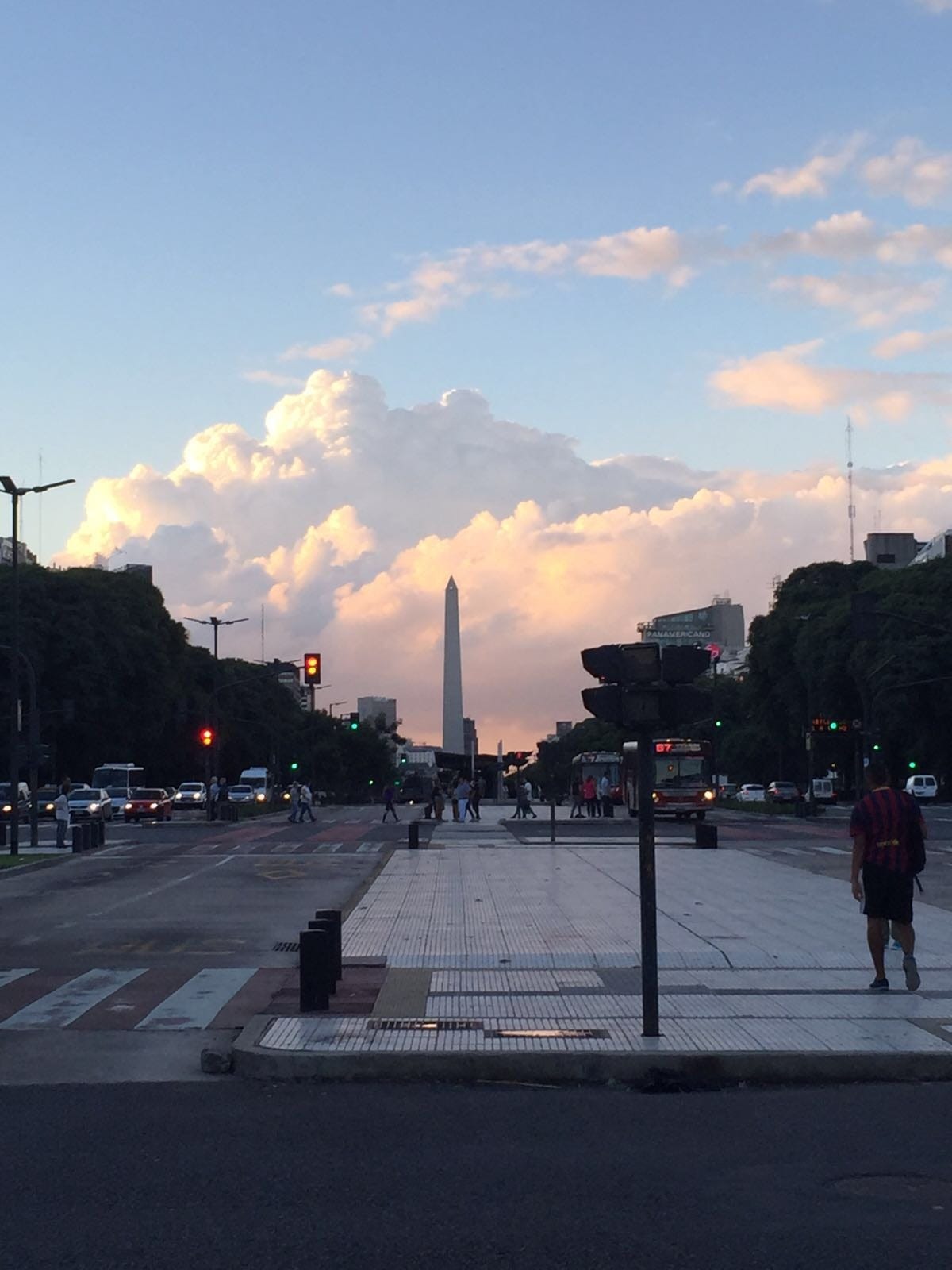
Returning to the United States felt like being forcibly awakened from a dream you never wanted to leave. Those uninterrupted months suddenly reached an end, but no closure. Flying away from the Buenos Aires airport crushed a small part of my soul.
I was haunted by a life I had only just tasted, but never lived. I thought of all the cousins I’d lost touch with, the swim meets I never competed in, the freedom I never experienced during my time in suburban America. The youth in Mexico, Argentina, in all of Latin America always seemed to live much freer lives than most anyone in suburban America. I don’t have specific studies to cite for this but I feel it in my core. Libertad, libertad.
“Persiana” defined, for a very long time, nostalgia to me. A time I never lived in, a future I’m nervous to think about, the loves (real and imagined) I never got to express myself with in my native language. For months after Buenos Aires I couldn’t listen to “Persiana,” my heart couldn’t handle it.
I took the subway the day I got back to Boston. No Soda Stereo, but I had a few dollars on me.
Just in case. ◆
About Humberto
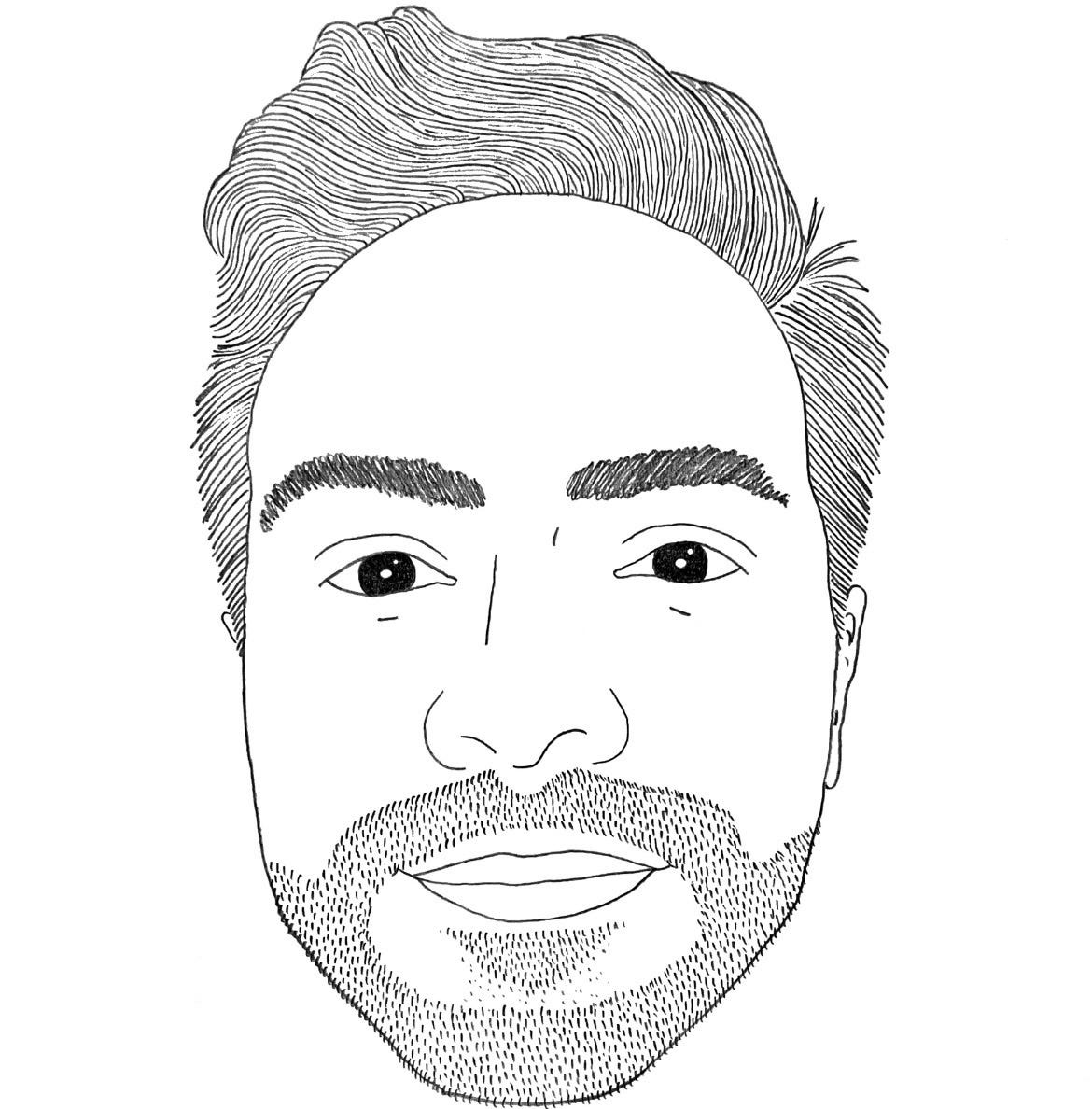
Humberto J. Rocha is a full-time journalist living in London. He writes about carbon trading, biodiversity restoration and misses reporting on local news and community affairs. Growing up between Mexico City and Houston, Humberto freelances for Latin American outlets and tries to go to the cinema once a week.
Website humbertojrocha.com
Instagram @humjrocha
⭐ Recommended by
Madeline Craig (No. 099)
Every TSCML writer is asked to recommend a future contributor, creating a never-ending, underlying web of interconnectivity 🕸️
This Song Changed My Life is open to submissions. For consideration, please fill out this simple form.
🔒 Unlock this playlist with a paid subscription

Easy Listening Ladies Playlist 🕯️
Soothing sounds. Listen→
Categories
Friendship • Family • Coming of Age • Romance • Grief • Spirituality & Religion • Personal Development • LGBTQ+
Recommended