


This Song Changed My Life is an independent music publication featuring weekly essays from people all around the world about the songs that mean the most to them. Created (and illustrated) by Grace Lilly.
Join 1,000+ music lovers to get a new essay in your inbox every Friday 😊
• 4 min read •
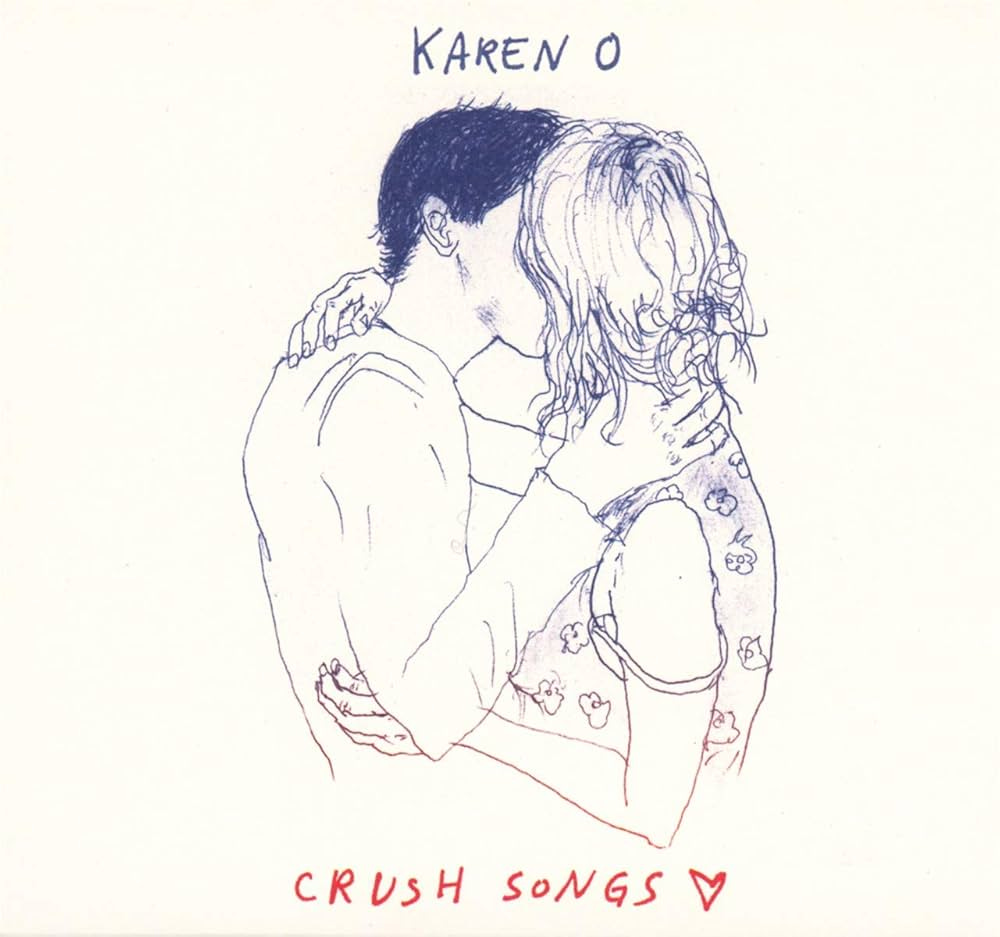
I’m usually trying to get somewhere else, but I’m not sure where I learned this desire. My maternal grandmother recently reminded me that she has resided in our small hometown for all eighty-six years of her life. It moves me to hear about people who are rooted where they are. I feel disoriented by stability, and I’m not sure that this is an attractive trait. What anchors my urge to flee is that other people — and places, and things — are spindles, altering images of ourselves. This is why Karen O’s “Rapt” (2014), an elliptical song the Korean-American musician says she wrote “about someone who became a habit that was hard to kick” still influences me at twenty-three — about a decade from when I first heard the song.
I discovered “Rapt” in junior high while listening to a selection of music videos curated for the cable channel MTV. I spent my mornings before school laying on my side in fits of languidity, negotiating how the visual and sonic space created in my bedroom lengthened the amount of time I could spend avoiding the school bus. It felt like “Rapt” arrived through a dream: Karen O has an ethereal voice, and the video takes place underwater, where she considers her relativity to an exceptionally bright, circular light. Karen, in a sequined red dress, wades through the water as though it is familiar to her, although this light clearly overwhelms the scene. Those of us who like to flee need certain conduits, and there is a sense here that she has a desire to be entirely transported to and embraced by this light. She becomes a mess of lustre, the sequins on her dress catching and throwing the light back.
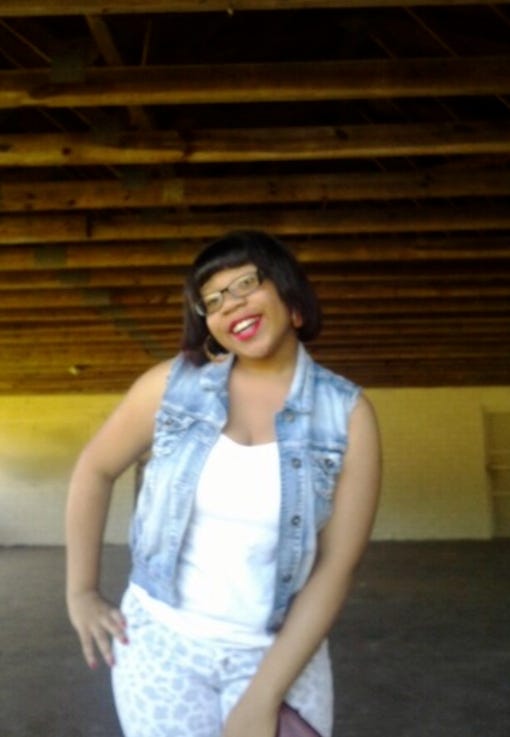
As someone who dabbles in the borderline and obsessive-compulsive arts, I’m not normal about interpersonal relationships. Before and after I encountered “Rapt,” I was bullied, which I’m embarrassed to say still impacts how I connect with other people. The kindest things I heard from people I crushed on when I was younger were things like “you’re not even an ugly girl” and “you’re beautiful in your own way,” and in conflict with other girls, if my docility slipped, the undercurrent of their withheld perception of me — as ugly, as fat, as poor — emerged.
As much as the image makes me laugh now, I would listen to “Rapt” on the way to and from school through my Walmart earbuds with my head against the murky school bus window. In high school and college, I remained hypervigilant but nonetheless hungry for connection. Somewhere in this time, I became overindulgent as a maladaptive solvent to loneliness. I fostered any and every relationship because people, like substances, can take you oh-so high when you’re oh-so low.
When you learn to measure your self-perception through other people’s observations, you develop into more of a Möbius strip than someone well-rounded in social situations. I can only be too far away or too close to the people I want in my life, because I idealize everyone. Like Karen O says in the song, “love is soft, love’s a fucking bitch.” I have a poor metric for registering how other people feel about me, but when I’m loved, I’m warm and transformed.
What I love most about “Rapt” is that the phantasmagoria of abandoning oneself for another is so plainly stated, this condition of using another person to escape and defy material reality. It’s is the kind of song I would have awkwardly performed at a talent show in high school, and I admire that it reminds me of a time when yearning was alive and well. It’s not a song about character or compatibility, but the abstract nature of limerence, a recognition of the distance between the literal health of a relationship and the instinct to continue on with it as a habit instead of a conscious resolution.

Karen O told Michelle Zauner, the lead vocalist of Japanese Breakfast, in an interview that she is well acquainted with impermanence. I feel lucky to have discovered her in the era before mass music streaming completely changed how we find and connect with music, because I’m not sure if I could have managed the fragmentation I felt internally in junior high without the early influence of “Rapt” in my life. It felt nice to know that there was someone else, with much more experience than me, floating around in a sea of confusion and grasping at elusivity because of how badly she wanted someone, something, or someplace to absorb her, even if it was bad for her.
Even with a partner and two cats, I’m still learning how to reserve a fraction of the obsession I expel externally for myself. ◆
About Sade
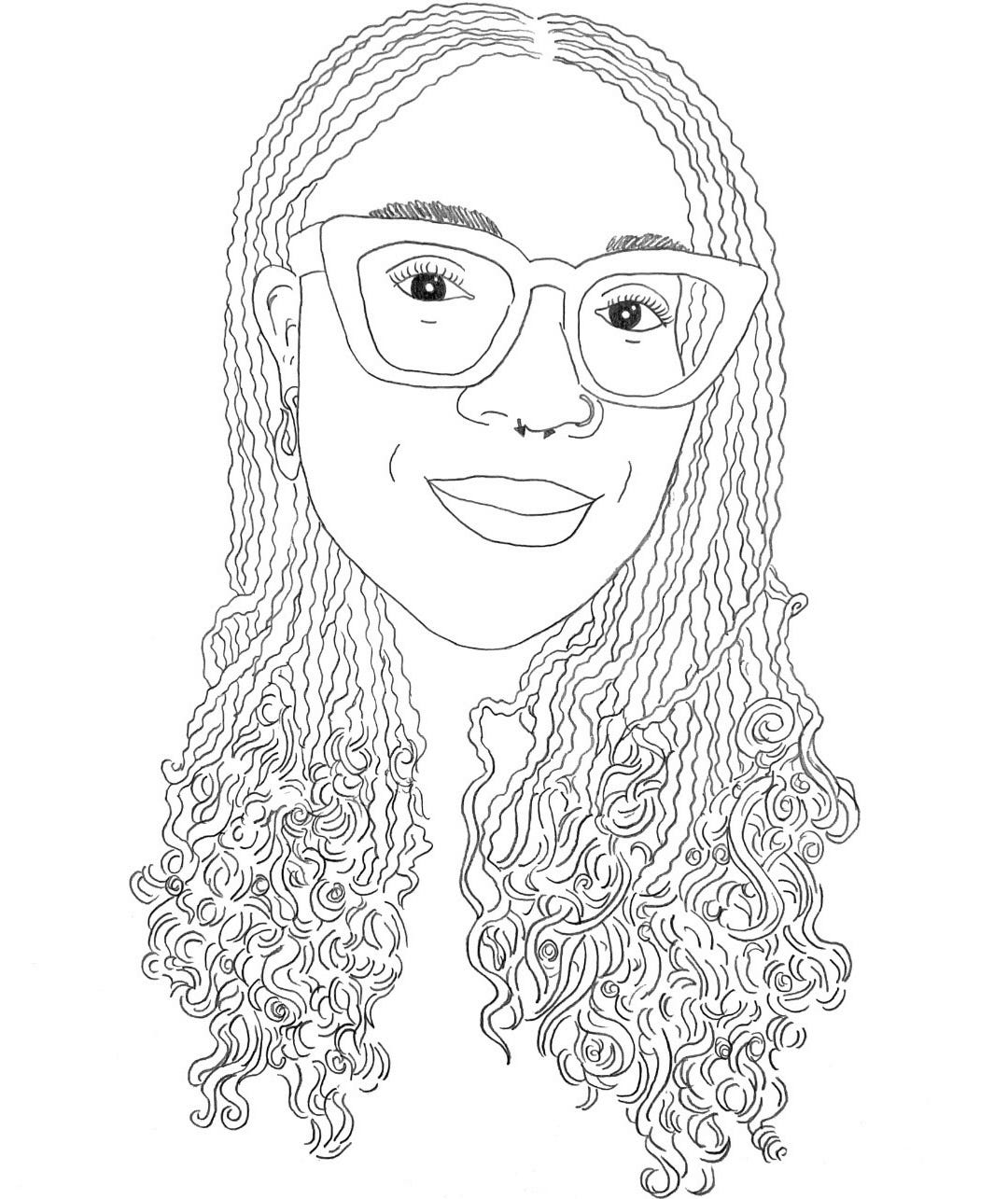
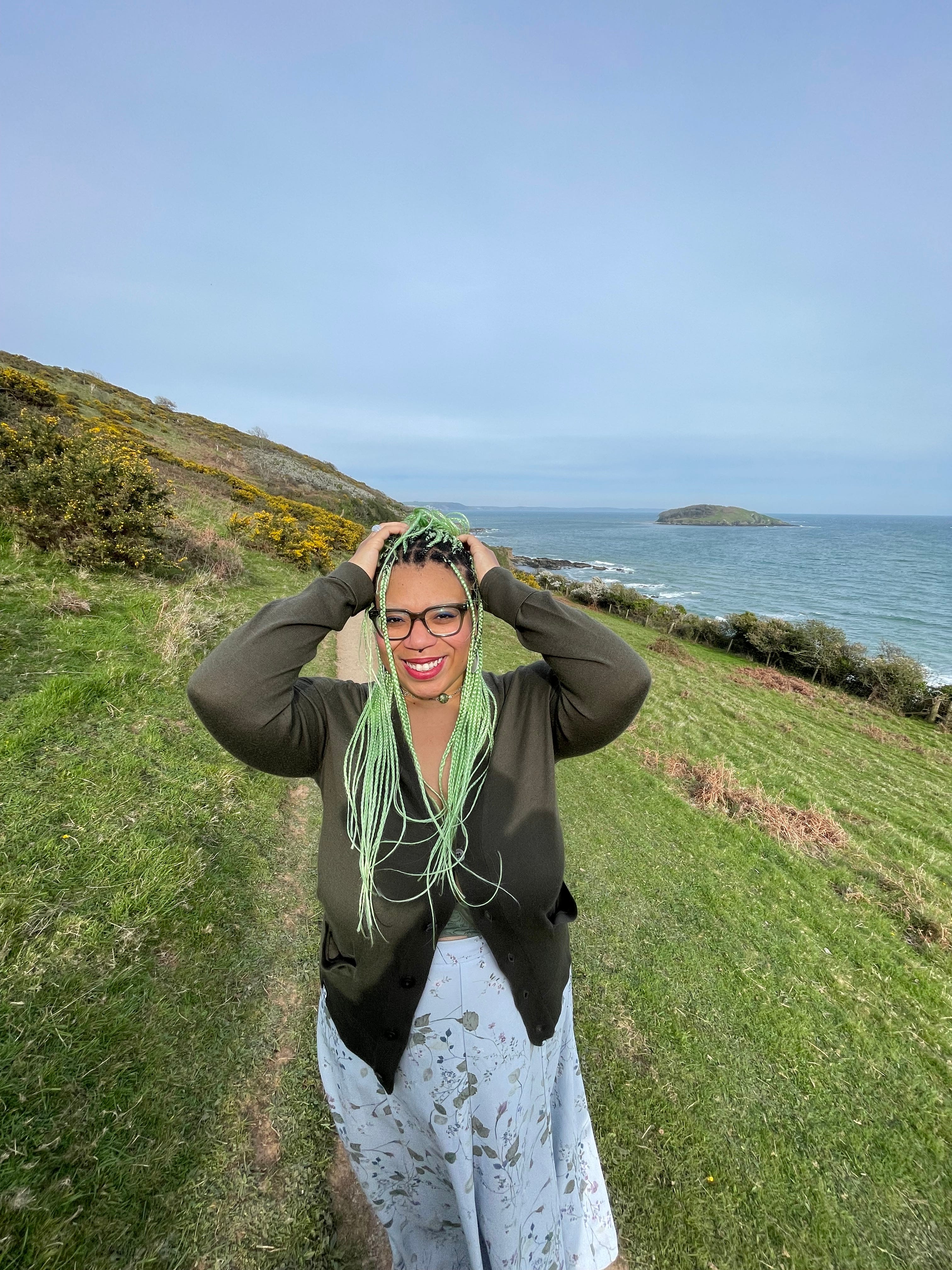
Sade Collier is a writer and works in publishing. She lives in South Brooklyn with her partner, two cats, and a whole lot of books.
Instagram @sadeslittlediary
⭐ Recommended by
Cosmo Halterman de Ochoa (No. 112)
Every TSCML writer is asked to recommend a future contributor, creating a never-ending, underlying web of interconnectivity 🕸️
This Song Changed My Life is open to submissions. For consideration, please fill out this simple form.
Happy Valentine’s Day!
Read all the essays in the Romance category 💘
🔒 Unlock this playlist with a paid subscription

Sweet Treats Playlist 🍫🍭🧁
Satisfy your sweet tooth. Listen→
🏆 A top-read post
🔒 Unlock this post with a paid subscription

Diary 💗 10 Artists to Watch in 2026
Whether you’re into punk, pop, or R&B — there’s something for everyone this year. Read→

Top 10 Essays of 2025
The most-read essays of the year are here! (Plus a few personal favs) Read→
Categories
Friendship • Family • Coming of Age • Romance • Grief • Spirituality & Religion • Personal Development • LGBTQ+
Recommended